Navigating the Future: 4 Talent Acquisition Insights for the Evolving U.S. Workforce by 2026

Anúncios
Navigating the Future: 4 Talent Acquisition Insights for the Evolving U.S. Workforce by 2026
The landscape of the U.S. workforce is undergoing a profound transformation, driven by technological advancements, shifting societal values, and unprecedented global events. As we cast our gaze towards 2026, the imperative for organizations to adapt their talent acquisition strategies becomes clearer than ever. The competition for top talent is intensifying, and the demands of candidates are evolving. To thrive in this dynamic environment, businesses must possess a keen understanding of emerging trends and proactively integrate them into their recruitment frameworks. This article delves into four critical talent acquisition insights that will shape the U.S. workforce over the next few years, offering actionable strategies for employers to secure their competitive edge.
Anúncios
The concept of work itself is being redefined. Traditional office structures are giving way to more flexible models, technological tools are automating routine tasks while creating new roles, and a heightened awareness of diversity, equity, and inclusion is reshaping corporate cultures. For talent acquisition professionals, this isn’t merely about filling vacancies; it’s about strategically building a resilient, innovative, and engaged workforce capable of navigating future challenges and opportunities. Understanding these shifts is not just beneficial; it’s essential for long-term organizational success. Let’s explore the key insights that will define U.S. workforce insights by 2026.
Anúncios
Insight 1: The Permanent Integration of Hybrid and Remote Work Models
The pandemic acted as a catalyst, accelerating the adoption of remote and hybrid work models across the U.S. workforce. What began as a necessity has now solidified into a preferred mode of operation for many employees and, increasingly, a strategic advantage for employers. By 2026, these flexible arrangements will not be an anomaly but a fundamental expectation, profoundly impacting talent acquisition. Organizations that fail to embrace and optimize hybrid and remote work will find themselves at a significant disadvantage in the war for talent.
Expanding Talent Pools Beyond Geographic Boundaries
One of the most immediate and impactful benefits of remote and hybrid work is the dissolution of geographical barriers. No longer are companies restricted to recruiting talent within a commutable distance of their physical offices. This dramatically expands the available talent pool, allowing organizations to access specialized skills and diverse perspectives from across the nation, or even globally. For talent acquisition teams, this means rethinking traditional sourcing strategies and focusing on skills rather than location. It necessitates a robust digital infrastructure and a culture that supports distributed teams effectively.
Redefining Employee Value Propositions (EVPs)
The employee value proposition (EVP) must evolve to reflect the importance of flexibility. While compensation and benefits remain crucial, work-life balance, autonomy, and the ability to work from anywhere have become powerful draws for candidates. Talent acquisition professionals must highlight how their organization supports remote and hybrid work, detailing policies around flexible hours, technology provisions, and the culture of trust and empowerment. Companies that offer genuine flexibility, rather than just lip service, will stand out.
Challenges and Solutions in Remote Talent Acquisition
While the benefits are clear, remote talent acquisition presents its own set of challenges. How do you maintain company culture with a dispersed workforce? How do you ensure equitable opportunities for career progression? How do you onboard new employees effectively without in-person interaction? Solutions involve investing in robust collaboration tools, implementing structured virtual onboarding programs, fostering strong internal communication, and developing clear policies for hybrid team management. Training managers to lead remote and hybrid teams is paramount to prevent burnout and ensure productivity.
The Future of the Physical Office
The physical office won’t disappear entirely but will transform. By 2026, offices will increasingly serve as hubs for collaboration, innovation, and social connection rather than daily workstations. Talent acquisition can leverage this by showcasing thoughtfully designed spaces that facilitate teamwork and community during occasional in-person gatherings, reinforcing the hybrid model’s strengths.
Insight 2: The Pervasive Influence of Artificial Intelligence (AI) in Recruitment
Artificial Intelligence (AI) is no longer a futuristic concept; it is actively reshaping every facet of talent acquisition. By 2026, AI-powered tools will be indispensable, streamlining processes, enhancing candidate experience, and providing deeper insights into the U.S. workforce. Organizations that strategically adopt AI will gain a significant competitive advantage, allowing their talent acquisition teams to focus on high-value, human-centric tasks.
Automating Tedious and Repetitive Tasks
AI’s immediate impact lies in its ability to automate time-consuming and repetitive tasks. This includes resume screening, scheduling interviews, sending automated follow-ups, and even generating initial candidate outreach messages. AI-powered applicant tracking systems (ATS) can filter through thousands of applications much faster and with greater accuracy than human recruiters, identifying top matches based on predefined criteria. This frees up recruiters to engage directly with promising candidates, build relationships, and focus on strategic talent planning.
Enhanced Candidate Sourcing and Matching
AI algorithms can analyze vast amounts of data from various sources – social media, professional networks, online portfolios – to identify passive candidates who might be a perfect fit for a role but aren’t actively looking. Machine learning models can also improve the precision of candidate matching, moving beyond keyword searches to understand the nuances of a candidate’s experience, skills, and potential cultural fit. This leads to higher quality candidates and reduced time-to-hire.
Improving Candidate Experience with AI Chatbots
AI-powered chatbots are becoming increasingly sophisticated, providing 24/7 support to candidates. They can answer frequently asked questions about roles, company culture, and application processes, ensuring candidates receive timely information. This not only improves the candidate experience by making it more responsive but also reduces the burden on recruitment teams, allowing them to focus on more complex inquiries. Personalization through AI also means candidates receive tailored communication, making them feel valued.

Mitigating Bias and Promoting Fair Hiring
One of the most promising aspects of AI in recruitment is its potential to mitigate unconscious bias. While AI systems can inherit biases from the data they’re trained on, carefully designed and audited AI tools can help standardize the evaluation process, focusing on objective criteria. For example, AI can analyze language in job descriptions to identify and remove gender-biased wording, leading to more inclusive job postings. When implemented thoughtfully, AI can contribute to a more equitable and diverse U.S. workforce.
The Role of Human Recruiters in an AI-Driven World
The rise of AI does not diminish the role of human recruiters; it elevates it. Recruiters will transition from administrative tasks to more strategic functions: building relationships, negotiating offers, understanding complex human dynamics, and acting as brand ambassadors. Their emotional intelligence, empathy, and judgment will become even more critical in assessing cultural fit and ensuring a positive overall experience for both candidates and hiring managers. AI will be a powerful assistant, not a replacement.
Insight 3: Prioritizing Diversity, Equity, and Inclusion (DEI) as a Business Imperative
DEI is no longer a mere buzzword or a compliance checkbox; by 2026, it will be firmly established as a fundamental business imperative for organizations operating within the U.S. workforce. Companies that genuinely embed DEI into their talent acquisition strategies will not only attract a broader range of talent but also foster innovation, improve employee engagement, and enhance their brand reputation. DEI is inextricably linked to organizational success and resilience.
Beyond Quotas: Building an Inclusive Culture
True DEI goes far beyond simply meeting quotas. It involves creating an authentically inclusive culture where every employee feels valued, respected, and empowered to contribute their unique perspectives. Talent acquisition plays a crucial role in building this foundation by sourcing and hiring diverse candidates from various backgrounds, experiences, and identities. This includes not only visible diversity (race, gender, age) but also cognitive diversity (different ways of thinking and problem-solving).
Broadening Sourcing Channels for Diverse Talent
To attract a diverse U.S. workforce, talent acquisition teams must expand their sourcing channels beyond traditional networks. This means actively engaging with professional organizations dedicated to underrepresented groups, partnering with Historically Black Colleges and Universities (HBCUs) and other minority-serving institutions, and leveraging community outreach programs. It also involves critically examining job descriptions to remove exclusionary language and unconscious biases that might deter diverse applicants.
Fair and Equitable Hiring Processes
Implementing fair and equitable hiring processes is paramount. This includes structured interviews with standardized questions to reduce interviewer bias, diverse interview panels, and blind resume reviews where identifying information is removed. Training hiring managers and interviewers on unconscious bias and inclusive interviewing techniques is essential. The goal is to ensure that every candidate is evaluated based on their skills, experience, and potential, regardless of their background.
The Business Case for DEI
Numerous studies consistently demonstrate the tangible benefits of a diverse workforce. Companies with higher levels of diversity often report increased innovation, better decision-making, higher employee retention, and improved financial performance. Diverse teams bring a wider range of perspectives to problem-solving, leading to more creative and effective solutions. For talent acquisition, articulating this business case is key to securing leadership buy-in and resources for DEI initiatives.
Measuring and Iterating DEI Efforts
Like any strategic initiative, DEI efforts in talent acquisition must be measurable. Organizations need to track metrics related to candidate diversity at various stages of the hiring funnel, identify bottlenecks, and continuously iterate their strategies. This data-driven approach ensures that DEI initiatives are effective and contribute meaningfully to building a truly inclusive U.S. workforce.
Insight 4: The Imperative of Continuous Upskilling and Reskilling
The pace of technological change and industry evolution means that the skills required for many roles are constantly shifting. By 2026, the concept of a ‘fixed’ skillset will be obsolete. Organizations within the U.S. workforce must embrace a culture of continuous upskilling and reskilling, not just as a benefit for employees but as a core component of their talent acquisition and retention strategy. The ability to learn and adapt will be the most valuable skill of all.
Addressing the Skills Gap Proactively
Many industries are facing significant skills gaps, with a shortage of qualified candidates for emerging roles, particularly in tech and data-related fields. Rather than solely competing for external talent, organizations can proactively address this gap by investing in their existing employees. Upskilling involves enhancing current employees’ skills to make them more proficient in their existing roles or prepare them for future advancements. Reskilling involves training employees for entirely new roles within the company. This internal mobility strategy is a powerful form of talent acquisition.
Building a Learning-Oriented Culture
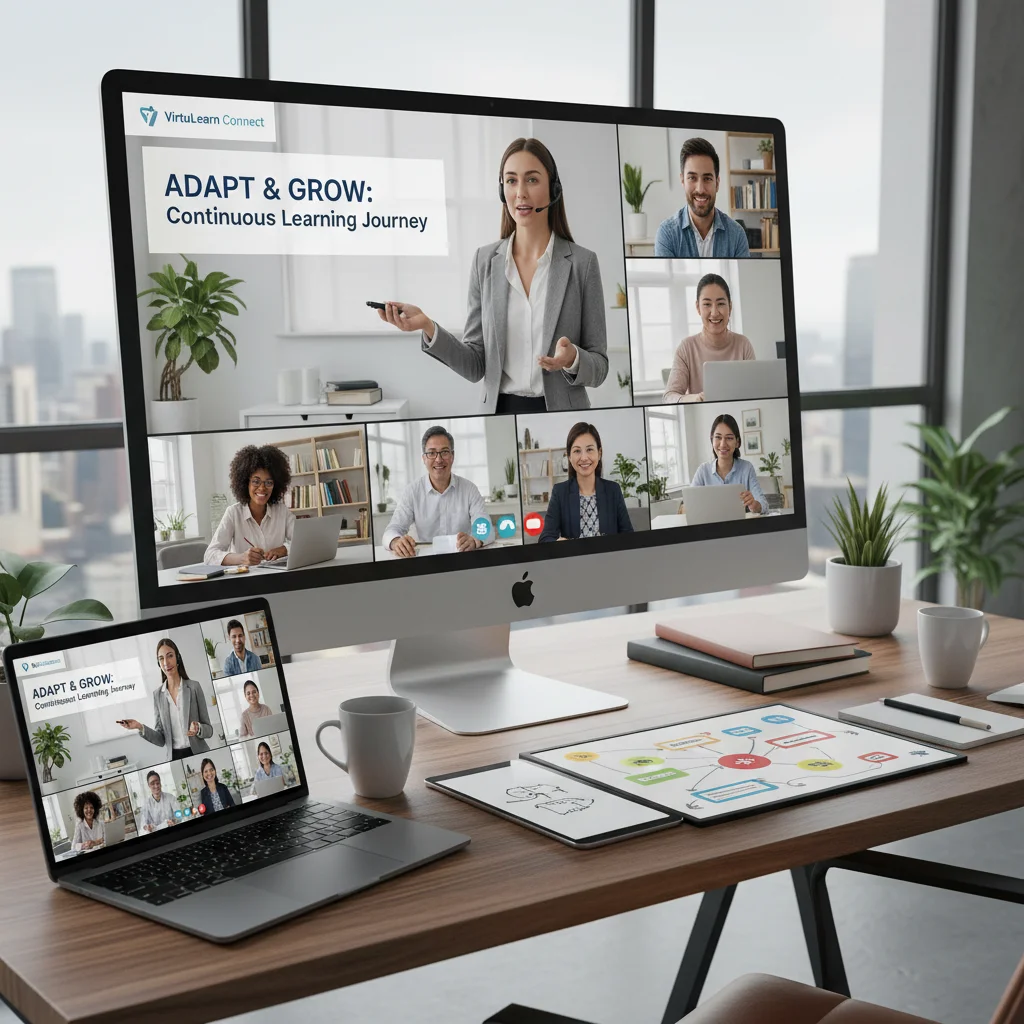
For upskilling and reskilling to be effective, organizations must cultivate a strong learning-oriented culture. This means providing accessible learning platforms, allocating dedicated time for professional development, and recognizing and rewarding employees who actively engage in continuous learning. Talent acquisition can play a role by highlighting these learning opportunities during the recruitment process, demonstrating a commitment to employee growth and long-term career development.
The Attractiveness of Growth Opportunities
Candidates, especially younger generations entering the U.S. workforce, highly value opportunities for professional development and career growth. A company that demonstrates a clear path for skill enhancement and internal mobility becomes significantly more attractive to top talent. Talent acquisition professionals should emphasize the availability of training programs, mentorship opportunities, and internal career pathways as key components of the employee value proposition.
Leveraging Technology for Personalized Learning
Technology plays a crucial role in delivering effective upskilling and reskilling programs. AI-powered learning platforms can offer personalized learning paths based on an employee’s current skills, career aspirations, and the organization’s future needs. Virtual reality (VR) and augmented reality (AR) can provide immersive training experiences, while microlearning modules make continuous education more manageable and engaging. These tools make learning more accessible and tailored to individual needs.
Forecasting Future Skill Needs
Effective upskilling and reskilling require a forward-looking approach. Talent acquisition, in collaboration with HR and business leaders, must continuously forecast future skill needs based on market trends, technological advancements, and strategic business objectives. This proactive approach ensures that learning investments are aligned with the organization’s long-term goals and that the U.S. workforce remains agile and future-ready.
Conclusion: Preparing for the Future of the U.S. Workforce
The U.S. workforce is at an inflection point, with significant shifts redefining how and where work gets done, the tools we use, the values we uphold, and the skills we need. By 2026, organizations that have proactively embraced the permanent integration of hybrid and remote work, strategically leveraged AI in recruitment, prioritized diversity, equity, and inclusion as a business imperative, and committed to continuous upskilling and reskilling will be the ones that thrive. These four talent acquisition insights are not merely trends; they are foundational pillars for building a resilient, innovative, and competitive workforce for the future.
For talent acquisition professionals, the coming years present both challenges and immense opportunities. The ability to adapt, innovate, and champion these insights will differentiate leading organizations from their competitors. It’s time to move beyond reactive hiring and embrace a proactive, strategic approach that anticipates the needs of the evolving U.S. workforce. By doing so, businesses can not only attract the best talent but also cultivate an environment where every employee can flourish, driving sustained success in an ever-changing world.
Investing in these areas now will yield significant returns in terms of talent retention, enhanced productivity, and a stronger organizational culture. The future of talent acquisition is not just about finding people; it’s about building the future of work itself, one strategic hire and one empowered employee at a time. The insights discussed here provide a roadmap for navigating this exciting, yet complex, journey.