Mastering Screen Time: Essential Strategies for Vision and Sleep in 2026
Anúncios
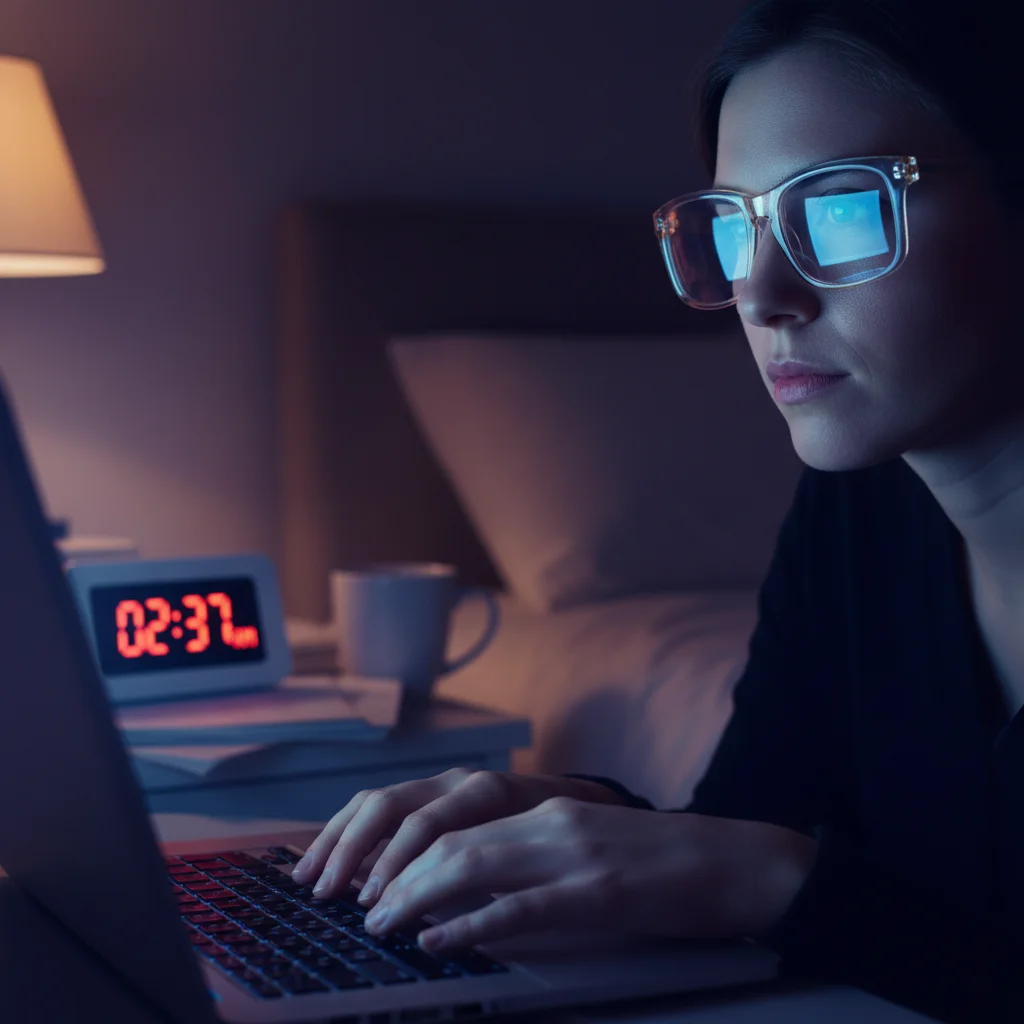
In an increasingly digital world, the omnipresence of screens has become an undeniable aspect of modern life. From smartphones and tablets to computers and smart TVs, our daily routines are intricately woven with digital interactions. While these devices offer unparalleled convenience, connectivity, and access to information, their prolonged use has sparked significant concerns regarding their impact on our health, particularly our vision and sleep quality. As we navigate through 2026, understanding and implementing effective screen time management strategies is not just advisable, but absolutely crucial for maintaining our well-being.
Anúncios
The average person spends a staggering number of hours in front of screens each day, a figure that has only escalated in recent years due to remote work, online learning, and digital entertainment. This extensive exposure, often stretching late into the night, introduces a cascade of potential health issues. The blue light emitted by screens, for instance, is a primary culprit, known to disrupt our circadian rhythm, leading to sleep disturbances. Furthermore, the constant focusing required by digital tasks can result in digital eye strain, characterized by dry eyes, blurred vision, headaches, and neck pain. These are not minor inconveniences; they are signals that our bodies are struggling to adapt to the demands of our digital lifestyles. Therefore, adopting proactive measures for effective screen time management is paramount to mitigate these adverse effects and foster a healthier relationship with technology.
This comprehensive guide will delve into five essential strategies designed to help you protect your vision and enhance your sleep quality in 2026 and beyond. By understanding the underlying mechanisms of screen-induced health issues and applying practical, evidence-based solutions, you can significantly reduce the negative impact of digital devices on your life. From optimizing your screen environment to cultivating mindful usage habits, each strategy is crafted to empower you with the tools necessary for sustainable digital well-being. Let’s embark on this journey to reclaim our health in the digital age, starting with a conscious and strategic approach to screen time management.
Anúncios
Understanding the Digital Threat: Blue Light and Eye Strain
Before diving into solutions, it’s vital to grasp the core problems associated with excessive screen time: blue light exposure and digital eye strain. Blue light, a segment of the visible light spectrum, is naturally present in sunlight and plays a crucial role in regulating our sleep-wake cycle. However, artificial sources like LED screens emit a significant amount of blue light, and prolonged exposure, especially in the evening, can confuse our internal clock. This disruption suppresses melatonin production, the hormone responsible for signaling sleep, making it harder to fall asleep and achieve restful slumber. The consequences extend beyond mere tiredness, impacting mood, cognitive function, and overall physical health.
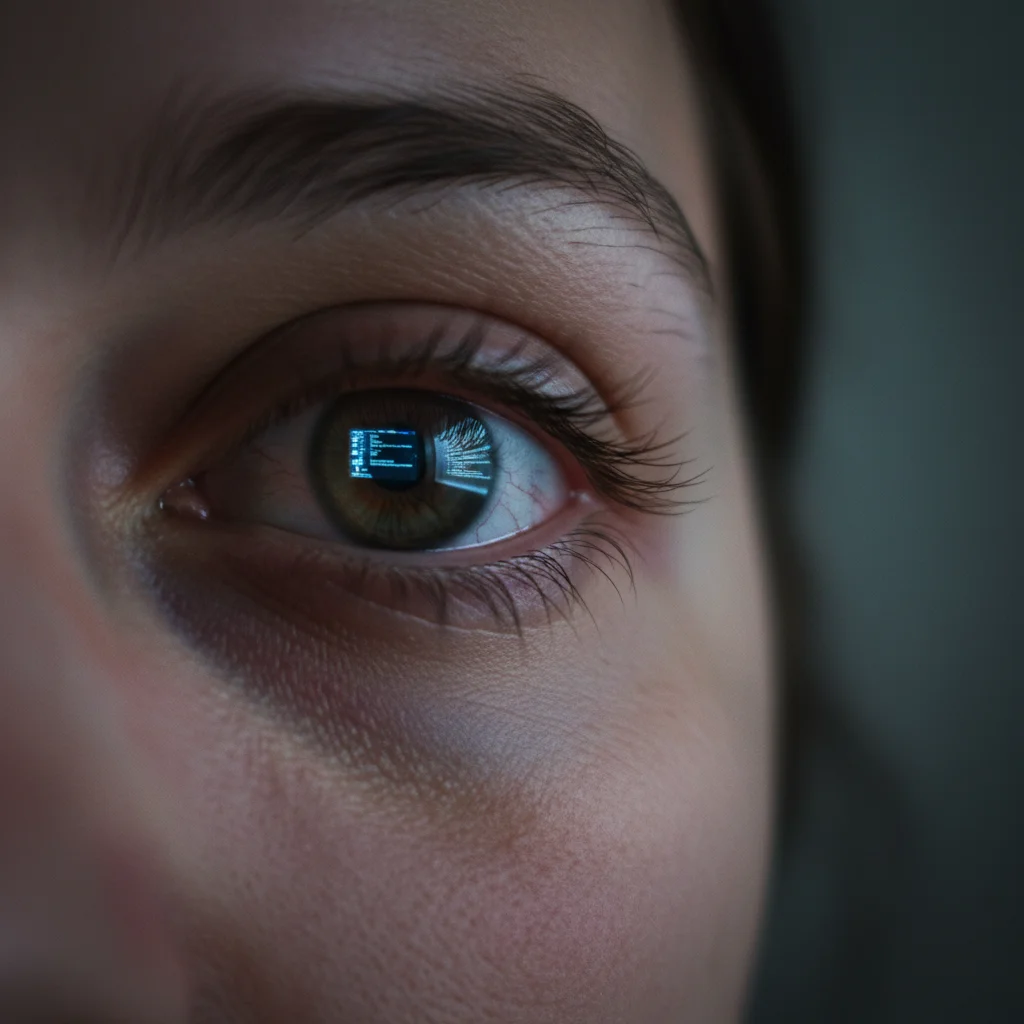
Digital eye strain, also known as computer vision syndrome (CVS), is another pervasive issue. It encompasses a range of vision-related problems that result from prolonged computer, tablet, e-reader, and cell phone use. Symptoms often include eyestrain, headaches, blurred vision, dry eyes, and neck and shoulder pain. The primary contributing factors are reduced blink rates (we tend to blink less while focusing on screens), improper viewing distances, glare on the screen, poor posture, and uncorrected vision problems. The intricate dance of focusing and refocusing on pixels, combined with the intense cognitive load of digital tasks, places immense stress on our ocular muscles. Effective screen time management directly addresses these issues by minimizing exposure and promoting healthier viewing habits.
The cumulative effect of these issues over time can be substantial. Chronic sleep deprivation weakens the immune system, increases the risk of chronic diseases, and impairs mental acuity. Persistent eye strain can lead to discomfort that affects productivity and quality of life. Recognizing the severity of these threats is the first step towards implementing meaningful change. Our goal is not to eliminate screens entirely – an unrealistic expectation in 2026 – but to integrate them into our lives in a way that minimizes harm and maximizes benefit. This foundational understanding sets the stage for the practical strategies we will explore, all centered around intelligent screen time management.
Strategy 1: Implement the 20-20-20 Rule and Beyond for Eye Health
One of the simplest yet most effective strategies for combating digital eye strain is the 20-20-20 rule. This rule advises that for every 20 minutes spent looking at a screen, you should look away at something 20 feet away for at least 20 seconds. This brief break allows your eye muscles to relax and refocus, reducing strain. While seemingly minor, consistently applying this rule throughout your day can make a significant difference in preventing discomfort and fatigue. It’s a cornerstone of good screen time management for anyone working or learning digitally.
Beyond the 20-20-20 rule, consider incorporating longer breaks. Every hour, take a 5-10 minute break to stand up, stretch, and walk around. This not only benefits your eyes but also improves circulation and reduces the risk of musculoskeletal issues associated with prolonged sitting. During these breaks, consciously try to avoid looking at other screens. Instead, gaze out a window, close your eyes, or engage in a non-screen-related activity. These micro-breaks are essential for holistic well-being and are a critical component of comprehensive screen time management.
Another crucial aspect of eye health is maintaining proper ergonomics. Position your screen at arm’s length, with the top of the screen at or slightly below eye level. Ensure adequate lighting in your workspace, avoiding glare from windows or overhead lights. Adjust your screen’s brightness to match the ambient light in your room, and increase text size if necessary to reduce squinting. Regular blinking is also vital; consciously try to blink more often to keep your eyes moisturized and prevent dryness. If you find yourself frequently experiencing dry eyes, consider using artificial tears to supplement your natural tear film. These ergonomic adjustments, when combined with regular breaks, form a robust defense against digital eye strain, making your screen time management efforts more effective and sustainable.
Strategy 2: Optimize Your Digital Environment and Device Settings
The settings on your devices and the environment in which you use them play a significant role in mitigating the negative impacts of screen time. One of the most impactful adjustments you can make is to utilize blue light filters. Most modern operating systems and devices now include built-in features like ‘Night Shift’ (iOS/macOS), ‘Night Light’ (Windows), or similar settings on Android, which automatically reduce blue light emission during evening hours. These features shift the screen’s color temperature to a warmer, more yellowish hue, which is less disruptive to melatonin production. Activating these filters is a simple yet powerful step in your screen time management strategy, especially as evening approaches.
Beyond built-in filters, consider investing in blue light blocking glasses. These glasses are designed to filter out a significant portion of blue light before it reaches your eyes, offering an additional layer of protection. They are particularly beneficial for individuals who spend extensive hours in front of screens, especially after sunset, and find that software filters alone aren’t sufficient. When selecting blue light glasses, look for reputable brands and ensure they block a broad spectrum of blue light, not just a narrow band. Incorporating these into your daily routine can significantly enhance your screen time management efforts.
Furthermore, pay attention to your screen’s brightness and contrast. An overly bright screen in a dark room can cause discomfort and strain, while a screen that’s too dim might force you to squint. Adjust these settings to a comfortable level that matches your surroundings. Reducing screen glare is also crucial; position your screen to avoid reflections from windows or lights, and consider using a matte screen protector if glare is a persistent issue. For those who read extensively on screens, switching to ‘dark mode’ or ‘night mode’ on apps and websites can reduce the intensity of white backgrounds, which can be harsh on the eyes. These environmental and device optimizations are integral to an effective screen time management plan, creating a more eye-friendly digital experience.
Strategy 3: Establish Screen-Free Zones and Time Blocks for Better Sleep
One of the most critical aspects of protecting your sleep quality is establishing clear boundaries around screen usage, especially in the hours leading up to bedtime. The blue light emitted by screens, as discussed, actively suppresses melatonin, making it harder to fall asleep. Therefore, creating screen-free zones and time blocks is a non-negotiable component of effective screen time management for sleep health.
Aim for at least 1-2 hours of screen-free time before you go to bed. This means no smartphones, tablets, laptops, or even TVs. Use this time to unwind with activities that promote relaxation, such as reading a physical book, listening to calming music, taking a warm bath, or engaging in light conversation with family members. This allows your brain to transition from an active, stimulated state to a more relaxed one, signaling to your body that it’s time to prepare for sleep. Consistently adhering to this screen-free window is a powerful step towards improving your sleep architecture.
Beyond evening restrictions, consider implementing screen-free zones within your home. The bedroom, in particular, should be a sanctuary for sleep and relaxation, free from the distractions and blue light of digital devices. Avoid charging your phone next to your bed; instead, charge it in another room. If you use your phone as an alarm, consider investing in a traditional alarm clock to remove the temptation of checking notifications or browsing social media before bed or immediately upon waking. These intentional boundaries are not about deprivation but about reclaiming control over your sleep environment and fostering better sleep hygiene. Effective screen time management extends beyond just reducing usage; it’s about mindful placement and purposeful disengagement.

Strategy 4: Practice Mindful Screen Usage and Digital Detox
Effective screen time management goes beyond rules and settings; it involves cultivating a mindful approach to how and why we use our devices. This means being intentional about our digital interactions rather than mindlessly scrolling or reacting to every notification. Start by becoming aware of your usage patterns. Many smartphones now offer built-in screen time tracking features that can provide valuable insights into how much time you spend on various apps and categories. This data can be a powerful motivator for change, highlighting areas where you might be spending excessive time.
Once you understand your patterns, you can set realistic limits. This might involve setting daily app timers, scheduling specific times for checking emails or social media, or designating certain tasks as ‘screen-only’ to avoid constant context-switching. The goal is to use screens as tools for specific purposes rather than allowing them to consume your attention passively. Consider turning off non-essential notifications to reduce interruptions and the urge to constantly check your phone. Each notification is a tiny disruption that pulls you back into the digital realm, making true disengagement challenging. By minimizing these interruptions, you empower yourself to focus and engage more deeply with your real-world environment.
Periodically, consider a digital detox – a complete break from all digital devices for a set period. This could be for a few hours on a weekend, a full day, or even a longer vacation. A digital detox allows your brain to reset, reduces mental fatigue, and can significantly improve your focus, creativity, and overall sense of well-being. It’s an opportunity to reconnect with hobbies, nature, and interpersonal relationships without the constant pull of screens. Even short, regular detoxes can be incredibly beneficial for mental clarity and stress reduction. Embracing mindful usage and occasional detoxes are advanced yet essential components of a holistic screen time management strategy, ensuring that technology serves you, not the other way around.
Strategy 5: Prioritize Regular Eye Exams and Professional Guidance
While personal strategies for screen time management are highly effective, they should always be complemented by professional medical care. Regular comprehensive eye exams are paramount, especially for individuals who spend a significant amount of time in front of screens. An optometrist or ophthalmologist can detect and address underlying vision problems that might be exacerbated by screen use, such as uncorrected refractive errors (nearsightedness, farsightedness, astigmatism) or presbyopia.
During an eye exam, your eye care professional can also assess the health of your eyes for any signs of digital eye strain or other conditions. They can provide personalized recommendations, which might include specific types of lenses (e.g., computer glasses with anti-glare coatings or blue light filters), eye drops for dry eyes, or exercises to strengthen eye muscles. They can also offer tailored advice on optimal screen distance, posture, and lighting based on your individual needs and work environment. This professional guidance is invaluable in customizing your screen time management approach to your unique physiological requirements.
Furthermore, if you experience persistent symptoms of digital eye strain, such as chronic headaches, blurred vision, or severe dry eyes, do not hesitate to seek professional help. These symptoms could indicate more serious underlying conditions that require medical intervention. Relying solely on self-help strategies might delay diagnosis and treatment of conditions that could progressively worsen. Your eye care professional is your best ally in maintaining long-term eye health in a digitally saturated world. Integrating regular check-ups into your health regimen ensures that your proactive screen time management efforts are supported by expert medical oversight, providing a comprehensive shield against the challenges of modern screen use.
The Future of Screen Time: Adapting and Thriving in 2026
As technology continues to evolve at an unprecedented pace, our reliance on screens is unlikely to diminish. If anything, the integration of digital interfaces into various aspects of our lives is set to deepen. This makes the proactive adoption of robust screen time management strategies more critical than ever. The year 2026 brings with it advancements in display technology, virtual and augmented reality, and increasingly immersive digital experiences. While these innovations promise exciting possibilities, they also underscore the importance of developing resilient habits to protect our physical and mental well-being.
The strategies outlined in this article – implementing the 20-20-20 rule, optimizing your digital environment, establishing screen-free zones, practicing mindful usage, and prioritizing professional eye care – are not merely temporary fixes. They represent a sustainable framework for healthy living in a digital age. By consistently applying these principles, you empower yourself to harness the benefits of technology without succumbing to its potential drawbacks. It’s about finding a harmonious balance where screens serve as valuable tools rather than detrimental masters.
Looking ahead, we must also advocate for technological designs that prioritize user health. This includes continued research into eye-friendly displays, built-in wellness features, and educational initiatives that raise public awareness about healthy digital habits. As individuals, our collective adoption of intelligent screen time management practices can drive demand for more health-conscious technological solutions. The journey towards optimal digital well-being is ongoing, requiring continuous adaptation and commitment. By embracing these strategies today, you are not just protecting your vision and sleep for tomorrow, but investing in a healthier, more balanced future for yourself and generations to come.
Conclusion: Reclaiming Your Well-being in a Digital World
The digital revolution has brought immense progress and convenience, but it has also presented new challenges to our health, particularly concerning our vision and sleep quality. In 2026, with screens deeply embedded in nearly every facet of our lives, the ability to effectively manage our screen time management is no longer a luxury but a necessity for overall well-being. The cumulative effects of blue light exposure and digital eye strain can lead to significant discomfort, disrupt sleep patterns, and negatively impact our physical and mental health.
The five strategies detailed in this guide provide a comprehensive roadmap for mitigating these risks: consistently applying the 20-20-20 rule and taking longer breaks, optimizing your device settings and digital environment with blue light filters and proper ergonomics, establishing crucial screen-free zones and time blocks before bed, practicing mindful screen usage and incorporating digital detoxes, and prioritizing regular professional eye exams. Each strategy, when implemented diligently, contributes to a holistic approach to digital health, ensuring that you can continue to thrive in our screen-centric world.
Remember, the goal is not to demonize technology but to foster a healthier, more intentional relationship with it. By integrating these actionable steps into your daily routine, you can significantly reduce eye strain, improve your sleep quality, and enhance your overall quality of life. Take control of your digital habits today. Your vision and your sleep are invaluable assets – protect them with intelligent screen time management. Embrace a future where technology empowers you without compromising your health, allowing you to enjoy the best of both worlds.