Beyond 10,000 Steps: New Research Reveals 3 More Effective Daily Fitness Goals for 2026
Anúncios
For decades, the seemingly arbitrary target of 10,000 steps per day has dominated the public consciousness as the gold standard for daily physical activity. It’s a number etched into our fitness trackers, ingrained in wellness challenges, and often cited as the benchmark for a healthy, active lifestyle. However, as scientific understanding of human physiology and exercise continues to evolve, new research is challenging this long-held dogma. The truth is, while walking is undeniably beneficial, simply accumulating steps might not be the most efficient or effective way to optimize your health and fitness in 2026 and beyond. This article delves into the latest scientific findings, moving beyond the 10,000-step myth to introduce three more potent and evidence-based effective daily fitness goals that promise superior health outcomes.
Anúncios
We are on the cusp of a new era in fitness, one that prioritizes quality over sheer quantity, intensity over mere duration, and holistic well-being over a single, isolated metric. If you’ve been diligently hitting your 10,000 steps but feel like you could be doing more for your health, or if you’re looking for more impactful ways to achieve your fitness aspirations, you’re in the right place. Let’s explore these innovative and effective daily fitness goals that are set to redefine our approach to daily movement and long-term health.
Anúncios
The concept of 10,000 steps originated in Japan in the 1960s, a marketing slogan for a pedometer called ‘Manpo-kei,’ which translates to ‘10,000 steps meter.’ It wasn’t based on extensive scientific research but rather a catchy number. While it served its purpose in raising awareness about physical activity, contemporary research suggests that focusing solely on steps might overshadow other crucial aspects of fitness that are vital for comprehensive health. For instance, studies have shown that significant health benefits, including reduced mortality risk, can be achieved with far fewer steps, often in the range of 7,000-8,000 steps, especially when combined with other forms of exercise. Moreover, the intensity and type of movement are increasingly recognized as more critical than the total step count alone. This paradigm shift encourages us to look beyond simplistic metrics and embrace a more nuanced understanding of what constitutes truly effective daily fitness goals.
The Evolution of Fitness Science: Why 10,000 Steps Isn’t Enough
The human body is an incredibly adaptable machine, but it requires varied stimuli to thrive. While walking is a fundamental human movement, relying solely on it for all your physical activity needs can lead to plateaus and neglect critical components of fitness such as muscular strength, cardiovascular endurance at higher intensities, and flexibility. Modern fitness science emphasizes a multi-faceted approach, recognizing that a well-rounded fitness regimen should include elements that challenge different physiological systems. This is where the idea of effective daily fitness goals comes into play, moving us away from a one-size-fits-all approach to something more personalized and scientifically grounded.
Consider the difference between a leisurely stroll and a brisk walk up a hill, or the impact of lifting weights versus walking. Each activity taxes the body differently and elicits distinct physiological adaptations. For optimal health, longevity, and quality of life, we need to incorporate activities that build and maintain muscle mass, improve bone density, enhance cardiovascular health across various intensity levels, and foster mental well-being. The three effective daily fitness goals we will explore address these crucial areas, offering a more holistic and impactful path to fitness than simply chasing a step count.
The Health Imperatives Beyond Steps: What We’re Missing
While walking contributes to calorie expenditure and can improve cardiovascular health, it often falls short in several key areas:
- Muscle Strength and Mass: As we age, we naturally lose muscle mass (sarcopenia), which impacts metabolism, mobility, and overall strength. Walking, especially on flat surfaces, does not provide sufficient resistance to build or even maintain significant muscle mass.
- Bone Density: Weight-bearing exercises are essential for maintaining bone density and preventing osteoporosis. While walking is weight-bearing, higher impact activities and resistance training are more effective at stimulating bone growth.
- Metabolic Health: High-intensity exercise has a unique ability to improve insulin sensitivity and glucose metabolism, often more effectively than moderate-intensity activities alone.
- Cardiovascular Fitness at Higher Intensities: To truly challenge and improve your cardiovascular system, you need to reach higher heart rates than typically achieved during a casual walk. This improves your body’s ability to pump blood and oxygen efficiently.
- Functional Movement: Our daily lives demand more than just walking in a straight line. We need to bend, lift, twist, and balance. A comprehensive fitness plan should include exercises that enhance these functional movements.
By understanding these gaps, we can appreciate why a more diversified approach to effective daily fitness goals is not just beneficial, but essential for thriving in 2026 and beyond.
Effective Daily Fitness Goal 1: Prioritize Progressive Strength Training
If there’s one area of fitness that modern research unequivocally highlights as critical for long-term health, it’s strength training. Far from being just for bodybuilders, resistance training is a foundational element of health for people of all ages. It’s one of the most effective daily fitness goals you can adopt.
Why Strength Training is a Game-Changer:
- Builds and Maintains Muscle Mass: Crucial for metabolism, strength, and preventing age-related decline. More muscle means a higher resting metabolism, helping with weight management.
- Improves Bone Density: The stress placed on bones during resistance training stimulates bone cells to build new bone tissue, reducing the risk of osteoporosis.
- Enhances Functional Strength: Makes everyday tasks easier, from lifting groceries to playing with grandchildren, significantly improving quality of life and independence.
- Boosts Metabolic Health: Improves insulin sensitivity, helping to regulate blood sugar levels and reduce the risk of type 2 diabetes.
- Reduces Injury Risk: Stronger muscles and connective tissues provide better support for joints, leading to fewer injuries.
- Enhances Mental Well-being: Studies show strength training can reduce symptoms of anxiety and depression, and improve body image and confidence.
How to Incorporate Progressive Strength Training:
The key word here is ‘progressive.’ This means continually challenging your muscles by gradually increasing the weight, repetitions, sets, or decreasing rest times. This ensures your body continues to adapt and get stronger.
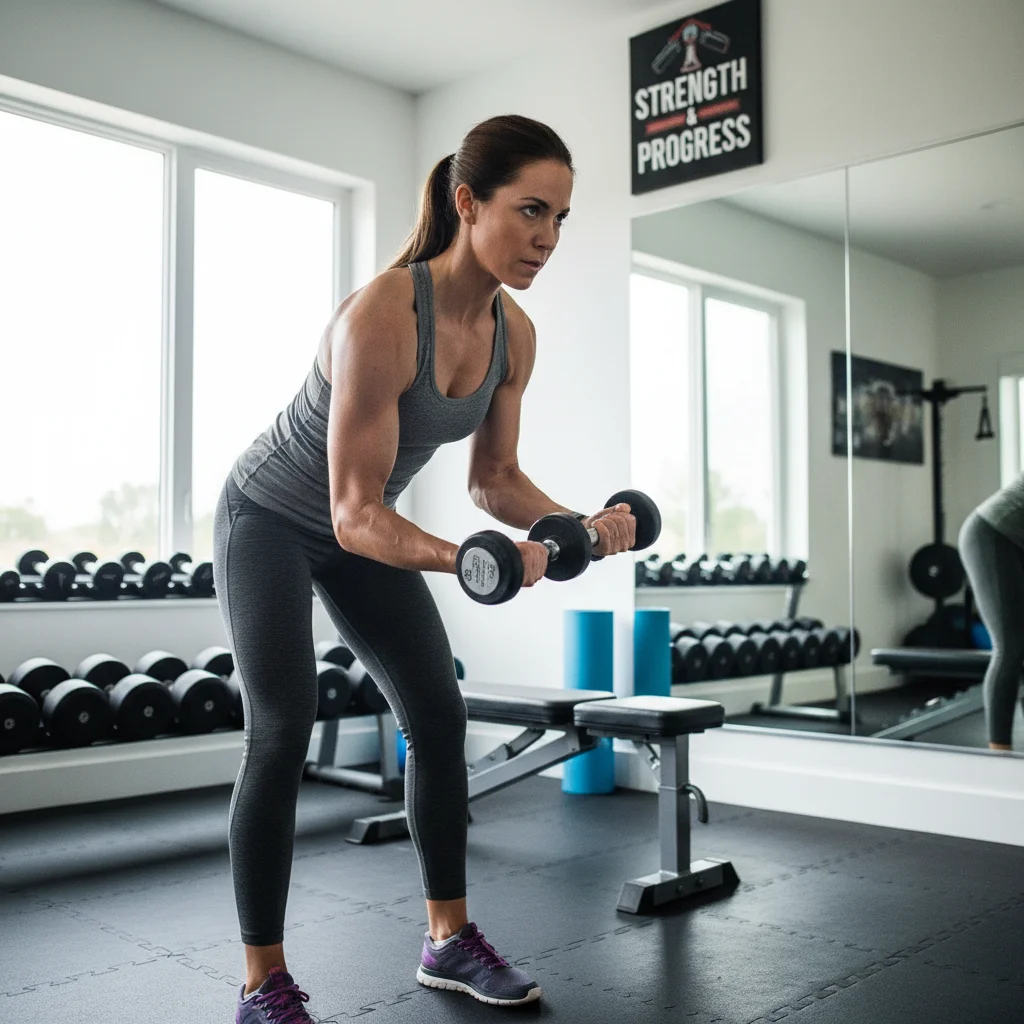
Recommendation: Aim for 2-3 full-body strength training sessions per week, targeting all major muscle groups. Each session should last 30-60 minutes.
- For Beginners: Start with bodyweight exercises (squats, lunges, push-ups, planks) or light weights/resistance bands. Focus on proper form before increasing resistance.
- Intermediate/Advanced: Utilize free weights (dumbbells, barbells), machines, or kettlebells. Incorporate compound movements (squats, deadlifts, presses, rows) that work multiple muscle groups simultaneously for maximum efficiency.
Focus on quality over quantity. Two well-structured strength training sessions are far more impactful than several aimless walks. This is a cornerstone of truly effective daily fitness goals.
Effective Daily Fitness Goal 2: Integrate High-Intensity Interval Training (HIIT)
While steady-state cardio (like long walks) has its place, High-Intensity Interval Training (HIIT) offers a time-efficient and incredibly potent way to boost cardiovascular fitness, metabolic health, and even fat loss. It’s another one of the most effective daily fitness goals, especially for those with limited time.
The Power of HIIT:
- Superior Cardiovascular Benefits: HIIT rapidly improves aerobic and anaerobic fitness, leading to a stronger heart and lungs more quickly than moderate-intensity exercise.
- Time-Efficient: Short bursts of intense effort followed by brief recovery periods mean you can achieve significant results in 15-30 minutes, including warm-up and cool-down.
- EPOC (Excess Post-exercise Oxygen Consumption): HIIT leads to a greater ‘afterburn’ effect, meaning your body continues to burn calories at an elevated rate for hours after your workout.
- Improved Insulin Sensitivity: Research consistently shows HIIT’s remarkable ability to enhance glucose metabolism and insulin sensitivity.
- Fat Loss: While not a magic bullet, HIIT can be highly effective for fat loss due to its high caloric expenditure during and after the workout.
How to Incorporate HIIT:
HIIT involves short periods of maximal effort followed by brief recovery periods. This can be applied to almost any cardio activity.
Recommendation: Aim for 1-2 HIIT sessions per week, allowing for adequate recovery between sessions. Each session should be 15-25 minutes, including warm-up and cool-down.
- Examples: Sprinting (running, cycling, swimming), burpees, jumping jacks, mountain climbers, jump squats, or using equipment like a rower or elliptical with alternating high and low intensity.
- Structure: After a 5-minute warm-up, perform 20-60 seconds of maximal effort, followed by 1-2 minutes of active recovery (low intensity). Repeat this cycle 4-8 times, then cool down for 5 minutes.
Remember, HIIT is intense. Listen to your body, and if you’re new to it, start with shorter intervals and longer recovery periods. Combining HIIT with strength training creates a formidable duo for achieving your effective daily fitness goals.
Effective Daily Fitness Goal 3: Embrace Mindful Movement and Active Recovery
While intensity and strength are crucial, neglecting recovery and mindful movement can lead to burnout, injury, and a disconnect from your body. This third goal emphasizes the importance of listening to your body, promoting flexibility, reducing stress, and fostering a sustainable relationship with physical activity. It’s an often-overlooked but equally effective daily fitness goal.
The Benefits of Mindful Movement:
- Reduces Stress and Improves Mental Health: Practices like yoga, tai chi, and even mindful walking can significantly lower stress hormones, improve mood, and enhance focus.
- Enhances Flexibility and Mobility: Essential for preventing injuries, improving posture, and maintaining a full range of motion as you age.
- Promotes Active Recovery: Light activities on rest days can aid muscle recovery, reduce soreness, and keep you gently moving without overtraining.
- Boosts Body Awareness: Helps you tune into your body’s signals, preventing overexertion and fostering a healthier relationship with exercise.
- Improves Balance and Coordination: Crucial for fall prevention and maintaining agility throughout life.
How to Incorporate Mindful Movement:
This goal isn’t about pushing hard; it’s about intentional, gentle, and restorative movement.
Recommendation: Integrate 15-30 minutes of mindful movement daily or on your active recovery days. This can be in addition to or instead of traditional workouts, depending on your schedule and needs.
- Yoga or Pilates: Excellent for strength, flexibility, balance, and mental calm. Many online resources offer beginner-friendly classes.
- Tai Chi: A gentle martial art that combines slow, deliberate movements with deep breathing, known for its stress-reducing and balance-improving benefits.
- Mindful Walking: Instead of just accumulating steps, pay attention to your breath, the sensation of your feet on the ground, and your surroundings. Engage your senses.
- Stretching and Foam Rolling: Dedicated time for flexibility work can significantly improve recovery and reduce muscle tightness.
- Gardening or Gentle Hiking: Activities that connect you with nature and involve varied, natural movements.
By making mindful movement an effective daily fitness goal, you’re not just exercising your body, but also nurturing your mind and spirit, creating a more balanced and sustainable fitness journey.

Structuring Your Week with Effective Daily Fitness Goals
Moving beyond the 10,000-step mentality doesn’t mean you have to abandon walking entirely. Instead, it means integrating these three new effective daily fitness goals into a comprehensive and balanced weekly routine. Here’s an example of how you might structure your week:
- Monday: Full-Body Strength Training (45-60 minutes)
- Tuesday: Mindful Movement (e.g., Yoga or focused stretching, 30 minutes) + Active Recovery (light walk, 30-45 minutes)
- Wednesday: High-Intensity Interval Training (HIIT) (20-25 minutes)
- Thursday: Full-Body Strength Training (45-60 minutes)
- Friday: Mindful Movement (e.g., Pilates or Tai Chi, 30 minutes) + Active Recovery (light walk, 30-45 minutes)
- Saturday: Outdoor Activity (e.g., longer hike, cycling, sports – combining cardio and functional movement, 60-90 minutes) or an additional HIIT session if preferred.
- Sunday: Rest or light mindful movement/stretching.
This sample schedule ensures you hit all three effective daily fitness goals, providing a well-rounded approach to fitness. You’re building strength, improving cardiovascular endurance at high intensities, enhancing flexibility, and dedicating time to recovery and mental well-being. And yes, you’ll still be accumulating steps through your mindful walks and other activities, but they won’t be the sole focus.
Personalization is Key
The beauty of these effective daily fitness goals is their adaptability. Your specific schedule, fitness level, and personal preferences should guide how you implement them. If you’re new to strength training or HIIT, start slowly and gradually increase intensity and duration. If you have specific health conditions, consult with a healthcare professional before making significant changes to your exercise routine.
The important takeaway is to shift your mindset from a single, often arbitrary, metric to a more comprehensive understanding of what your body needs to thrive. It’s about creating a sustainable and enjoyable fitness routine that addresses all aspects of your physical and mental health.
The Future of Fitness: Beyond Metrics, Towards Wholeness
As we advance into 2026, the conversation around fitness is shifting. It’s moving away from simplistic numbers and towards a more integrated, personalized, and scientifically informed approach. The focus is no longer just on how many steps you take, but on the quality of your movement, the strength of your body, the resilience of your cardiovascular system, and the tranquility of your mind. These three effective daily fitness goals—progressive strength training, high-intensity interval training, and mindful movement—represent this evolution.
Embracing these goals means taking a more proactive and intelligent approach to your health. It means understanding that true fitness is not just about avoiding disease, but about building a body that is strong, resilient, agile, and capable of enjoying life to the fullest. It’s about cultivating habits that support not just physical prowess, but also mental clarity and emotional balance. By integrating these practices, you’re not just working out; you’re investing in a higher quality of life, now and in the years to come.
Making the Shift: Practical Tips
- Educate Yourself: Learn proper form for strength training exercises. Utilize online resources, fitness apps, or consider working with a certified personal trainer.
- Start Small: Don’t try to overhaul your entire routine overnight. Introduce one new goal at a time. For example, add one strength training session per week for a few weeks before incorporating HIIT.
- Listen to Your Body: Rest days are crucial. Pay attention to signs of fatigue or pain and adjust your routine accordingly.
- Track Progress (Beyond Steps): Instead of just steps, track the weights you lift, your HIIT intervals, or how long you can hold a yoga pose. Celebrate these diverse achievements.
- Find What You Enjoy: Sustainability is key. If you hate a particular exercise, find an alternative that achieves the same goal but is more enjoyable for you.
- Consistency Over Perfection: It’s better to consistently do a little than to aim for perfection and burn out quickly.
The journey to optimal health is continuous, and the science behind it is always advancing. By adopting these more effective daily fitness goals, you’re not just following a trend; you’re aligning your efforts with the latest research to achieve profound and lasting health benefits. So, step beyond the 10,000-step myth, and embrace a future where your fitness routine truly empowers you to live your best life.