Next-Gen EV Batteries: US Innovations for 2x Lifespan by 2028

Anúncios
The Electrifying Future: 3 US Innovations Promising 2x Lifespan for Electric Vehicles by 2028
Anúncios
The electric vehicle (EV) revolution is accelerating, but a critical component continues to be the focus of intense research and development: the battery. While current lithium-ion batteries have made significant strides, the quest for greater range, faster charging, and, crucially, longer lifespan remains paramount. Imagine an electric vehicle whose battery lasts not just 8-10 years, but potentially 15-20 years, effectively doubling its operational life. This isn’t a distant dream; it’s a tangible goal being aggressively pursued by innovators across the United States. The advancements in next-gen EV batteries are poised to redefine what’s possible in electric transportation, promising a future where your EV outlives your car payments and holds its value for significantly longer.
The longevity of an EV battery is a primary concern for consumers, impacting everything from resale value to environmental sustainability. A longer-lasting battery means fewer replacements, reduced waste, and a more compelling total cost of ownership. For fleet operators, it translates to increased uptime and efficiency. The US is at the forefront of this innovation, with several cutting-edge technologies emerging that are set to transform the EV landscape. This article will delve into three specific US innovations in next-gen EV batteries that are showing immense promise in doubling the lifespan of electric vehicles by as early as 2028. These aren’t incremental improvements; they are foundational shifts that could unlock the full potential of electric mobility.
Anúncios
The Drive for Durability: Why Longer-Lasting EV Batteries Matter
Before we explore the specific technologies, it’s crucial to understand the profound impact of extended battery lifespan. Current EV batteries are guaranteed for a certain number of cycles or years, typically 8 years or 100,000 miles. While impressive, this still leaves some consumers wary about long-term ownership. Doubling this lifespan to 15-20 years would address many of these concerns, making EVs an even more attractive proposition.
Economic Benefits for Consumers and Industry
For the average consumer, a longer-lasting battery means a significant reduction in the total cost of ownership. Battery replacement is currently one of the most expensive potential repairs for an EV. If that cost can be pushed back or even eliminated for the typical ownership period, it drastically improves the economic argument for EVs. Furthermore, it enhances the resale value of the vehicle, as a car with a healthy, long-life battery is a more desirable asset. For the industry, it reduces warranty claims and builds greater trust in electric vehicle technology, accelerating adoption.
Environmental Impact and Sustainability
From an environmental perspective, extending battery life is a massive win. Manufacturing EV batteries is energy-intensive and requires significant raw materials. The longer a battery remains in service, the greater its environmental benefit over its lifecycle. It reduces the frequency of recycling or disposal, minimizing the ecological footprint of electric transportation. This aligns perfectly with the broader goals of sustainability and circular economy principles that are driving the energy transition.
Performance and Reliability
Beyond economics and environment, longer lifespan often correlates with improved overall performance and reliability. Batteries designed for extended life are typically more robust, better managed, and less prone to degradation. This means more consistent range, faster charging over the vehicle’s lifetime, and a more dependable driving experience. The innovations in next-gen EV batteries are not just about adding years; they’re about enhancing the entire performance envelope.
Innovation 1: Solid-State Batteries – The Holy Grail of Next-Gen EV Batteries
Perhaps the most anticipated advancement in next-gen EV batteries is the solid-state battery. Unlike traditional lithium-ion batteries that use a liquid or gel electrolyte, solid-state batteries employ a solid material to conduct ions between the electrodes. This fundamental change unlocks a cascade of benefits, making it a game-changer for EV lifespan and performance.
How Solid-State Batteries Work and Their Advantages
In a conventional lithium-ion battery, the liquid electrolyte is flammable and can degrade over time, leading to dendrite formation (spiky growths that can cause short circuits) and capacity fade. Solid-state electrolytes, made from materials like ceramics, polymers, or sulfides, eliminate these issues. They are non-flammable, inherently safer, and much more stable. This stability is key to their promise of dramatically extended lifespan.
Key advantages of solid-state batteries include:
- Higher Energy Density: Solid electrolytes allow for the use of lithium metal anodes, which have a significantly higher energy density than graphite anodes. This means more energy can be packed into a smaller, lighter battery, leading to greater range for EVs.
- Enhanced Safety: The elimination of flammable liquid electrolytes drastically reduces the risk of thermal runaway and fire, a major safety concern for current EV batteries.
- Faster Charging: Some solid-state designs show potential for ultra-fast charging rates due to the unique properties of their solid electrolytes, which can facilitate quicker ion transport.
- Extended Lifespan: Without the degradation issues associated with liquid electrolytes and dendrite formation, solid-state batteries are expected to maintain their capacity for many more charge-discharge cycles, potentially doubling the lifespan of current EV batteries. This is a critical factor in achieving the 2028 target.
- Wider Operating Temperatures: Solid-state batteries often perform better in extreme temperatures, both hot and cold, which can improve EV performance and range consistency in diverse climates.
US Companies Leading the Charge
Several US companies are at the forefront of solid-state battery development. QuantumScape, a California-based startup, is a prominent player, backed by significant investments from Volkswagen. They have demonstrated promising results in their labs, showcasing cells that can retain over 80% of their capacity after 800 cycles, with projections for even better performance. Another notable contender is Solid Power, based in Colorado, which is collaborating with BMW and Ford. These companies are not just developing prototypes; they are actively working on scaling production and integrating their technology into future EV platforms.
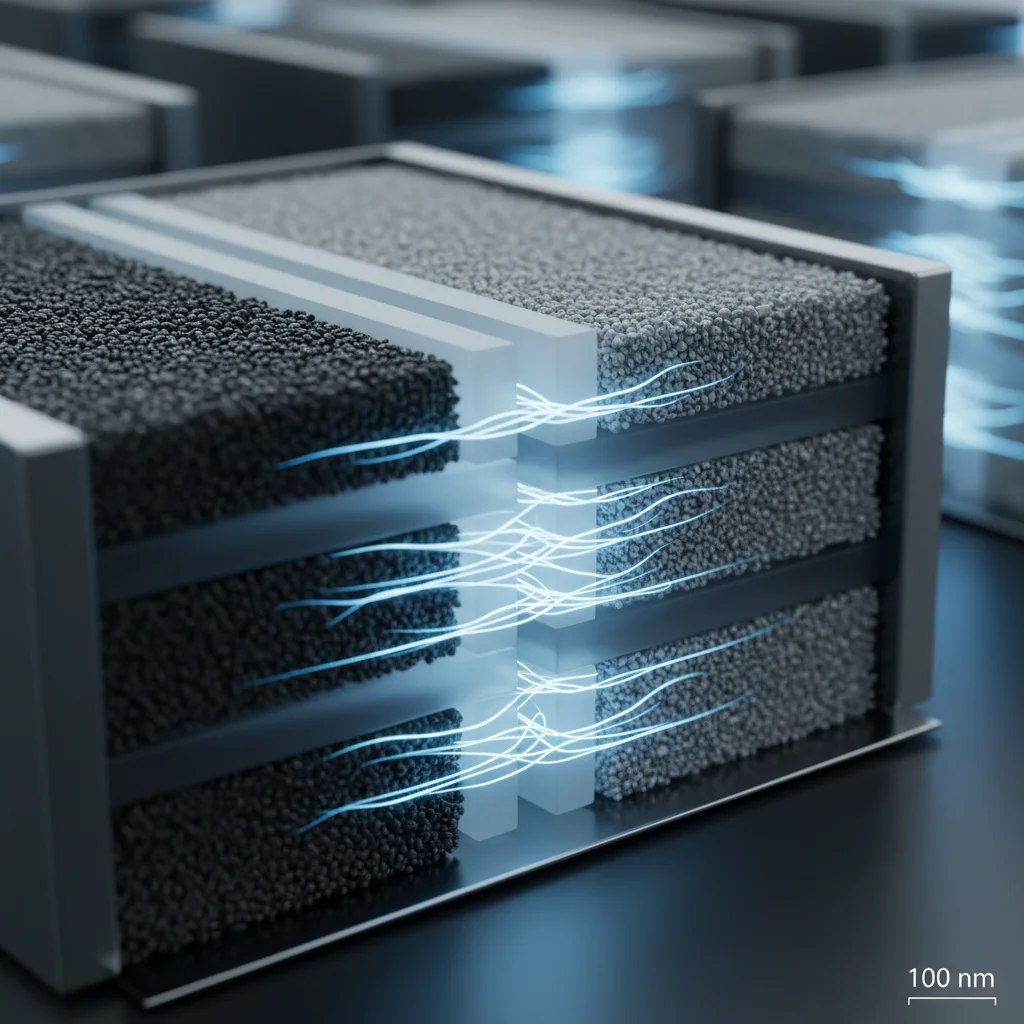
The challenges for solid-state batteries primarily revolve around manufacturing scalability and cost. Creating solid electrolytes that are both highly conductive and durable at mass production volumes is complex. However, the rapid pace of innovation and significant investment suggest that these hurdles are being systematically addressed, bringing solid-state next-gen EV batteries closer to commercial reality.
Innovation 2: Silicon Anode Technology – Boosting Capacity and Cycle Life
While solid-state batteries represent a radical shift, another significant advancement in next-gen EV batteries focuses on improving existing lithium-ion chemistry by upgrading one of its core components: the anode. Silicon anode technology is emerging as a powerful way to dramatically increase energy density and enhance cycle life.
The Promise of Silicon Over Graphite
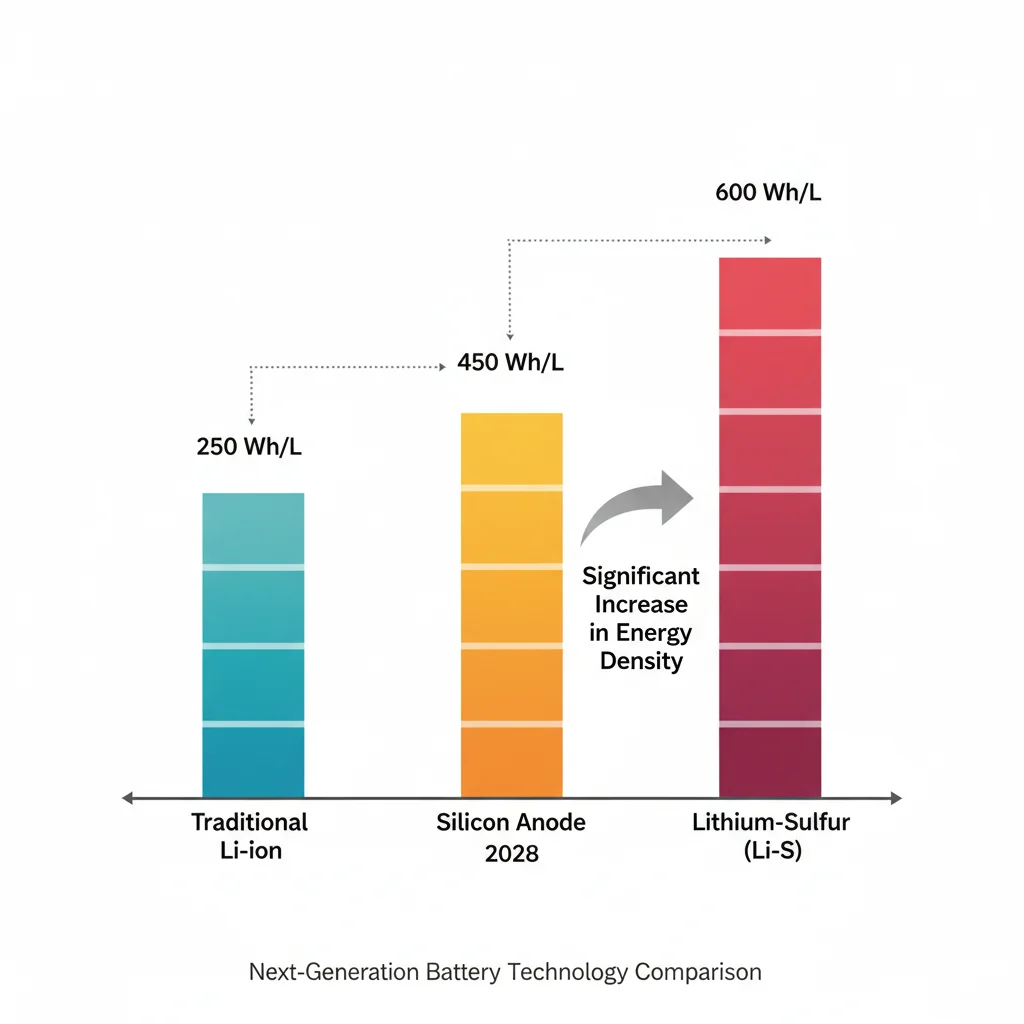
Currently, most lithium-ion batteries use graphite as the anode material. Graphite is stable and performs well, but it has a limited capacity for storing lithium ions. Silicon, on the other hand, can store ten times more lithium ions by weight than graphite. This translates directly to a much higher energy density for the battery, meaning more range for the EV without increasing battery size or weight.
The main challenge with silicon has been its propensity to expand and contract significantly during charging and discharging cycles (up to 400%). This volumetric change can cause the silicon particles to crack, lose electrical contact, and ultimately lead to rapid degradation and reduced battery life. However, US researchers and companies have developed ingenious solutions to mitigate this issue, making silicon a viable candidate for next-gen EV batteries.
Breakthroughs in Silicon Anode Design
Innovations primarily focus on two approaches:
- Nanostructured Silicon: By engineering silicon into nanoparticles, nanowires, or porous structures, researchers can create anodes that better accommodate the volumetric changes. These tiny structures have more surface area to react with lithium and can withstand the expansion and contraction without fracturing.
- Silicon Composites and Binders: Combining silicon with other materials, such as carbon or advanced polymers, creates composite anodes that are more stable. New binder materials are also being developed that can hold the silicon particles together more effectively, even with significant expansion.
Companies like Sila Nanotechnologies (based in Alameda, California) have made significant strides, developing silicon anode materials that are already being integrated into consumer electronics and are slated for automotive applications. They claim their technology can increase energy density by 20-40% compared to conventional graphite anodes, directly contributing to longer range and, crucially, improved cycle life by maintaining electrode integrity over many more cycles. StoreDot, with significant US operations and partnerships, is also pushing silicon-dominant anodes for ultra-fast charging capabilities, while also addressing longevity.
The improvements in silicon anode technology are directly contributing to the goal of doubling EV battery lifespan by preventing the structural degradation that often leads to capacity fade in current batteries. By allowing for more stable and efficient lithium ion intercalation, these next-gen EV batteries will maintain their performance for a much longer duration.
Innovation 3: Lithium-Sulfur Batteries – High Energy Density with Abundant Materials
The third major US innovation in next-gen EV batteries that holds immense promise for extended lifespan and performance is lithium-sulfur (Li-S) technology. While still in earlier stages of commercialization compared to solid-state or advanced silicon, Li-S batteries offer a compelling combination of high energy density and the use of abundant, low-cost materials.
The Advantages of Lithium-Sulfur Chemistry
Sulfur is an incredibly abundant and inexpensive element, often a waste product from the petroleum industry. This makes Li-S batteries potentially much cheaper to produce than current lithium-ion batteries, which rely on more expensive and scarce materials like cobalt and nickel. More importantly, sulfur has a theoretical energy density that is significantly higher than conventional cathode materials, promising much greater range for EVs.
Key benefits include:
- Ultra-High Energy Density: Li-S batteries have a theoretical energy density of up to 2600 Wh/kg, far exceeding the ~250-300 Wh/kg of current lithium-ion batteries. This could lead to EVs with ranges exceeding 500-600 miles on a single charge.
- Lower Cost: The use of abundant sulfur as a cathode material and potentially lithium metal as an anode can significantly drive down battery costs.
- Environmental Sustainability: Reduced reliance on scarce and environmentally impactful materials like cobalt improves the sustainability profile of these batteries.
Addressing the Challenges for Longevity
Historically, Li-S batteries have faced significant challenges, primarily related to their cycle life. The main issues are:
- Polysulfide Shuttle Effect: During cycling, intermediate lithium polysulfides dissolve into the electrolyte and migrate to the anode, causing active material loss and rapid capacity fade.
- Volume Expansion of Sulfur: Similar to silicon, sulfur undergoes significant volume changes during cycling, leading to electrode degradation.
- Lithium Metal Anode Stability: The use of a lithium metal anode (necessary for high energy density) can lead to dendrite formation, posing safety and cycle life issues.
US research institutions and startups are making breakthroughs in addressing these challenges. For example, materials science innovations are focusing on developing novel cathode architectures that can trap polysulfides, preventing the shuttle effect. This includes porous carbon structures, polymer coatings, and advanced binders. Additionally, solid-state electrolytes are being explored for Li-S batteries to mitigate both the polysulfide shuttle and dendrite formation on the lithium metal anode, effectively combining the benefits of two next-gen EV batteries technologies.
Companies like Lyten, based in San Jose, California, are developing 3D graphene-based Li-S batteries that promise significant improvements in energy density and cycle life. Their approach aims to overcome the traditional limitations by creating a stable environment for the sulfur cathode. These advancements are critical for Li-S batteries to achieve the long lifespans required for mass EV adoption and to meet the 2028 goal of doubling current battery life.
The Road Ahead: Integration and Impact by 2028
The promise of these three US innovations in next-gen EV batteries – solid-state, silicon anode, and lithium-sulfur – is not just theoretical. Companies are rapidly moving from laboratory breakthroughs to pilot production and automotive-grade validation. The timeline of 2028 for doubling EV battery lifespan is ambitious but increasingly plausible.
Synergies and Hybrid Approaches
It’s also important to note that these technologies are not mutually exclusive. We may see hybrid approaches where silicon anodes are combined with solid-state electrolytes, or where advanced materials from one domain inform developments in another. The synergistic effect of these innovations could accelerate progress even further, leading to batteries that not only last longer but also charge faster, are safer, and offer higher energy density.
Infrastructure and Policy Support
The US government, through initiatives like the Bipartisan Infrastructure Law and Department of Energy grants, is actively supporting domestic battery manufacturing and research. This crucial policy and financial backing are essential for scaling these next-gen EV batteries from the lab to commercial vehicles. Investment in gigafactories and supply chain development will be critical to ensure these innovations can reach the market efficiently.
Impact on the EV Market
When these next-gen EV batteries with doubled lifespans become mainstream, the impact on the electric vehicle market will be profound:
- Accelerated Adoption: Consumer confidence will skyrocket, as range anxiety and battery degradation concerns diminish significantly.
- Lower Ownership Costs: Reduced need for battery replacement will make EVs even more competitive against internal combustion engine vehicles.
- Enhanced Sustainability: Longer-lasting batteries contribute to a more sustainable electric ecosystem, reducing resource consumption and waste.
- New Business Models: The extended life of battery packs could open doors for second-life applications in grid storage or even subscription models for battery services.
Conclusion: A Brighter, Longer-Lasting Electric Future
The race to develop superior battery technology is fierce, and the United States is proving to be a powerhouse of innovation. Solid-state batteries, advanced silicon anode technology, and groundbreaking lithium-sulfur chemistries are not just incremental improvements; they represent a paradigm shift in how electric vehicles will be powered. By addressing the fundamental limitations of current batteries, these next-gen EV batteries are set to double the lifespan of electric vehicles by 2028, making EVs more reliable, more affordable, and more sustainable than ever before.
The journey from laboratory breakthrough to mass market adoption is challenging, but the progress being made is undeniable. As these technologies mature and scale, we can look forward to a future where electric vehicles are not just a cleaner alternative, but a superior, longer-lasting, and more valuable mode of transportation that truly redefines personal mobility for decades to come. The era of the truly enduring EV battery is just around the corner, spearheaded by American ingenuity.