
As the days grow shorter and the chill of winter begins to set in, many individuals find themselves grappling with more than just the cold weather. For a significant portion of the population, the colder months bring a profound shift in mood and energy levels, a condition widely known as Seasonal Affective Disorder (SAD). Often dubbed ‘winter depression,’ seasonal affective disorder is a recurrent major depressive disorder with a seasonal pattern, typically manifesting in autumn or winter and remitting in spring. Understanding and proactively addressing SAD is crucial for maintaining mental well-being throughout the year, especially as we look towards the winter of 2026.
This comprehensive guide will delve into five proactive steps you can take to combat seasonal affective disorder, ensuring that the colder months don’t overshadow your overall happiness and productivity. From harnessing the power of light to optimizing your lifestyle choices, these strategies are designed to empower you with effective tools to navigate the seasonal shifts with resilience and vitality. Prepare to transform your winter experience from one of dread to one of renewed vigor and joy.
Anúncios
The impact of seasonal affective disorder extends beyond just feeling ‘down.’ It can affect sleep patterns, appetite, energy levels, and even social interactions. Recognizing the symptoms early and implementing preventative measures is key. Let’s explore these five essential steps to keep SAD at bay.
Anúncios
Harnessing the Power of Light Therapy for Seasonal Affective Disorder
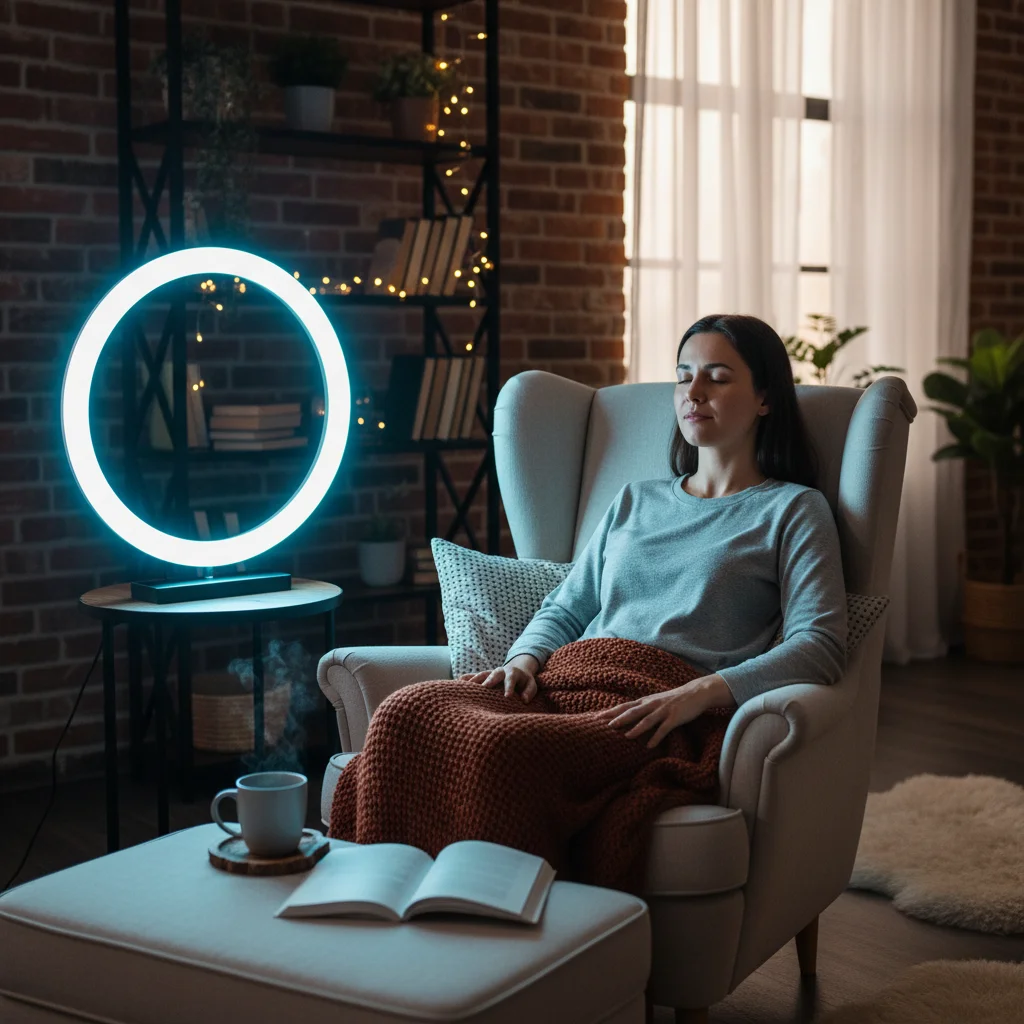
One of the most well-researched and effective treatments for seasonal affective disorder is light therapy, also known as phototherapy. As the days shorten, exposure to natural sunlight decreases, which can disrupt your circadian rhythm and affect the production of serotonin (a neurotransmitter that influences mood) and melatonin (a hormone that regulates sleep). Light therapy aims to compensate for this lack of natural light by exposing you to a bright light box that mimics natural outdoor light.
How Light Therapy Works
Light therapy involves sitting in front of a special light box, typically for 20-60 minutes each morning, preferably within the first hour of waking. These light boxes emit a bright light (usually 10,000 lux) and filter out harmful UV rays. The bright light stimulates cells in the retina that connect to the hypothalamus, a part of the brain that controls circadian rhythms. This can help to reset your internal clock, regulate mood-boosting neurotransmitters, and suppress melatonin production during the day, which can make you feel more awake and energetic.
Choosing the Right Light Box
When selecting a light box, it’s important to choose one specifically designed for treating seasonal affective disorder. Look for models that provide 10,000 lux of illumination and emit minimal UV light. Consider the size and portability, as you’ll want to use it consistently. Placement is also key; the light should be angled towards your eyes, but you don’t need to stare directly into it. You can read, eat breakfast, or work while using the light box.
Tips for Effective Light Therapy
- Consistency is Key: For optimal results, use your light box consistently every day throughout the autumn and winter months.
- Timing Matters: Most people find morning sessions most effective. Using it too late in the day might interfere with sleep.
- Distance and Angle: Follow the manufacturer’s instructions regarding the ideal distance and angle for use.
- Consult a Professional: Before starting light therapy, especially if you have eye conditions or are taking medications that increase light sensitivity, consult your doctor.
Integrating light therapy into your daily routine can be a powerful first step in proactively managing seasonal affective disorder. It’s a non-invasive treatment with a high success rate, offering a tangible way to bring more ‘sunshine’ into your winter days.
Embrace the Outdoors and Maximize Natural Light Exposure
Even on cloudy winter days, natural light is significantly brighter than most indoor artificial lighting. Maximizing your exposure to natural light, even for short periods, can make a substantial difference in combating seasonal affective disorder. Our bodies are designed to respond to natural light cycles, and even indirect sunlight exposure helps regulate our internal clocks and boosts serotonin levels.
Daily Outdoor Walks
Make it a priority to spend time outdoors every day, especially during peak daylight hours. A brisk walk during your lunch break or a weekend hike can be incredibly beneficial. Even 15-30 minutes of outdoor exposure can help. The combination of natural light and physical activity is a powerful antidote to the lethargy often associated with seasonal affective disorder.
Optimizing Your Indoor Environment
Beyond going outside, you can also optimize your indoor environment to let in as much natural light as possible:
- Open Curtains and Blinds: As soon as you wake up, open all curtains and blinds to let in daylight.
- Sit Near Windows: Arrange your workspace or relaxation areas near windows to benefit from natural light.
- Trim Obstructions: If possible, trim any tree branches or shrubs that might be blocking sunlight from entering your home.
- Use Lighter Colors: Decorate your home with lighter colors on walls and furniture, as they reflect light better, making rooms feel brighter and more spacious.
- Clean Windows: Regularly clean your windows to ensure maximum light penetration.
The Science Behind Outdoor Exposure
Exposure to natural light helps regulate the production of melatonin, the sleep-inducing hormone. When your eyes perceive bright light, it signals your brain to reduce melatonin production, helping you feel more alert during the day. Conversely, the decrease in light in the evening triggers melatonin release, preparing you for sleep. Disruptions to this natural cycle, common in winter due to less daylight, contribute significantly to the symptoms of seasonal affective disorder.
By actively seeking out and maximizing natural light, you’re providing your body with essential cues to maintain a healthy circadian rhythm and boost your mood naturally. This simple yet effective strategy is a cornerstone of any plan to combat seasonal affective disorder.
Prioritize Physical Activity and Exercise
Regular physical activity is a well-known mood booster and stress reliever, and its importance is amplified when dealing with seasonal affective disorder. Exercise releases endorphins, natural mood elevators that can help alleviate symptoms of depression and anxiety. It also helps improve sleep quality and boosts energy levels, both of which are often negatively impacted by SAD.
Finding an Exercise Routine That Works for You
The key is to find an activity you enjoy and can stick with consistently. It doesn’t have to be strenuous; even moderate exercise can yield significant benefits. Consider:
- Brisk Walking: As mentioned, combining exercise with outdoor light exposure is a double win.
- Running or Jogging: If you’re able, running can provide an intense endorphin rush.
- Cycling: Whether outdoors or on a stationary bike, cycling is a great cardiovascular workout.
- Yoga or Pilates: These practices combine physical movement with mindfulness, which can be particularly beneficial for mental well-being.
- Dancing: A fun and expressive way to get your heart rate up.
- Strength Training: Building muscle can improve overall energy and body image.
Consistency Over Intensity
Aim for at least 30 minutes of moderate-intensity exercise most days of the week. If that seems daunting, break it down into shorter, manageable chunks, like three 10-minute walks. The consistency of movement is more important than extreme intensity, especially when you’re feeling low due to seasonal affective disorder.
Overcoming Winter Exercise Barriers
Winter can present unique challenges to staying active. Here are some tips:
- Dress Appropriately: Invest in warm, moisture-wicking clothing for outdoor activities.
- Find an Exercise Buddy: Accountability can be a powerful motivator.
- Join a Gym or Class: Indoor options provide a consistent environment regardless of weather.
- Try Home Workouts: Many free resources are available online for at-home exercise routines.
- Set Realistic Goals: Don’t aim for perfection; celebrate small victories.
By making physical activity a non-negotiable part of your winter routine, you’re not only improving your physical health but also building a strong defense against the emotional toll of seasonal affective disorder. It’s an investment in your mental well-being that pays dividends all year round.
Nourish Your Body with a Balanced Diet and Supplements
What you eat plays a crucial role in your mood and energy levels. During the winter months, when comfort foods and sugary treats become more appealing, it’s even more important to focus on a balanced, nutrient-rich diet to combat seasonal affective disorder.
The Role of Nutrition in Mood
Certain nutrients are vital for brain health and neurotransmitter production. A diet rich in whole foods can help stabilize blood sugar, which prevents energy crashes and mood swings. Focus on:
- Complex Carbohydrates: Whole grains, fruits, and vegetables provide sustained energy and can boost serotonin levels.
- Lean Proteins: Fish, poultry, beans, and nuts provide amino acids necessary for neurotransmitter synthesis.
- Healthy Fats: Omega-3 fatty acids, found in fatty fish, flaxseeds, and walnuts, are essential for brain function and have been linked to improved mood.
- Plenty of Fruits and Vegetables: These are packed with vitamins, minerals, and antioxidants that support overall health and well-being.
Key Supplements for Seasonal Affective Disorder
While a balanced diet is paramount, certain supplements might be beneficial, especially if your dietary intake is insufficient or if you have specific deficiencies. Always consult with a healthcare professional before starting any new supplement regimen.
- Vitamin D: Often called the ‘sunshine vitamin,’ Vitamin D levels tend to drop in winter due to less sun exposure. Low Vitamin D is strongly linked to depressive symptoms. Supplementation can be very effective for those with SAD.
- Omega-3 Fatty Acids: As mentioned, these are crucial for brain health. If you don’t consume enough fatty fish, a high-quality fish oil supplement might be beneficial.
- B Vitamins: B vitamins, particularly B6, B9 (folate), and B12, play a role in brain health and mood regulation.
- St. John’s Wort: This herbal supplement is sometimes used for mild to moderate depression, but it can interact with various medications, so medical advice is essential.
Hydration is Key
Don’t forget the importance of staying well-hydrated. Dehydration can lead to fatigue, irritability, and difficulty concentrating, exacerbating the symptoms of seasonal affective disorder. Aim to drink plenty of water throughout the day.
By prioritizing a nourishing diet and considering targeted supplements, you’re providing your body and mind with the fuel they need to thrive, even during the darkest days of winter. This internal support system is crucial in your fight against seasonal affective disorder.
Cultivate Social Connections and Mindfulness Practices
Isolation can worsen the symptoms of seasonal affective disorder. The tendency to withdraw and hibernate during winter can create a vicious cycle, leading to increased feelings of loneliness and sadness. Actively cultivating social connections and incorporating mindfulness practices can provide significant emotional support.
Stay Connected
Make a conscious effort to stay connected with friends, family, and your community. Social interaction provides a sense of belonging, can distract from negative thoughts, and offers opportunities for support and shared joy.
- Schedule Regular Meet-ups: Plan coffee dates, dinners, or activity outings with loved ones.
- Join a Club or Group: Engage in hobbies or interests that involve other people, such as a book club, volunteer group, or sports team.
- Utilize Technology: If in-person meetings aren’t always possible, use video calls to connect with distant friends and family.
- Volunteer: Helping others can provide a sense of purpose and boost your own mood.
Embrace Mindfulness and Relaxation Techniques
Mindfulness practices can help you stay present, manage stress, and reduce negative ruminations often associated with seasonal affective disorder.
- Meditation: Regular meditation can train your mind to be more aware and less reactive to negative thoughts and feelings. Even a few minutes a day can make a difference.
- Deep Breathing Exercises: Simple breathing techniques can calm your nervous system and reduce anxiety.
- Journaling: Writing down your thoughts and feelings can be a therapeutic way to process emotions and gain perspective.
- Yoga and Tai Chi: These practices combine physical movement with mindful breathing and meditation, promoting both physical and mental well-being.
- Spend Time in Nature: Even if it’s cold, spending time in a natural setting can be grounding and calming. Practice mindful walking, paying attention to the sights, sounds, and smells around you.
The Power of Self-Compassion
Remember to be kind to yourself. Seasonal affective disorder is a real medical condition, and it’s okay to feel its effects. Practice self-compassion, acknowledge your feelings without judgment, and celebrate your efforts to manage your well-being. Building a strong support network and integrating mindfulness into your daily life creates a robust emotional toolkit for navigating the challenges of winter.

Conclusion: Proactive Steps for a Brighter Winter 2026
As we anticipate the arrival of winter 2026, it’s clear that understanding and proactively addressing seasonal affective disorder is paramount for maintaining optimal mental health. The shorter days and colder temperatures don’t have to dictate your mood or energy levels. By implementing the five proactive steps outlined in this guide, you can significantly mitigate the impact of SAD and cultivate a more vibrant, resilient winter experience.
Recap of the 5 Proactive Steps:
- Harnessing the Power of Light Therapy: Invest in a high-quality SAD lamp and use it consistently to mimic natural sunlight exposure.
- Embrace the Outdoors and Maximize Natural Light Exposure: Make daily outdoor walks a priority and optimize your indoor environment for maximum natural light.
- Prioritize Physical Activity and Exercise: Engage in regular physical activity to boost endorphins, improve sleep, and increase energy levels.
- Nourish Your Body with a Balanced Diet and Supplements: Focus on nutrient-rich whole foods and consider supplements like Vitamin D and Omega-3s after consulting a professional.
- Cultivate Social Connections and Mindfulness Practices: Stay connected with loved ones and incorporate meditation, deep breathing, or journaling into your routine.
Remember, combating seasonal affective disorder is an ongoing process that often requires a multi-faceted approach. It’s about building a consistent routine that supports your physical and mental well-being. If your symptoms are severe or persistent, do not hesitate to seek professional help from a doctor or mental health specialist. They can provide personalized advice, further treatment options, and support.
By taking these proactive steps, you are not just surviving winter; you are empowering yourself to thrive. May your winter of 2026 be filled with warmth, light, and unwavering well-being. Embrace the season with confidence, knowing you have the tools to keep seasonal affective disorder at bay and enjoy all that the colder months have to offer.