Top 6 Nutritional Trends for Optimal Health in the Next 12 Months: An Expert Analysis
As we navigate an ever-evolving landscape of health and wellness, staying abreast of the latest Nutritional Trends 2024 is crucial for anyone striving for optimal health. The science of nutrition is dynamic, constantly revealing new insights into how our dietary choices impact our physical and mental well-being. This comprehensive analysis will delve into the top six nutritional trends poised to dominate the health scene in the coming year, offering an expert perspective on how these shifts can empower you to make more informed decisions about your diet and lifestyle. From personalized nutrition to the burgeoning field of gut microbiome optimization, understanding these trends is the first step towards a healthier, more vibrant you.
Anúncios
The past few years have seen a significant acceleration in our understanding of food’s role beyond basic sustenance. Consumers are increasingly seeking tailored solutions, sustainable practices, and evidence-based approaches to their dietary needs. This article aims to cut through the noise, providing a clear and concise overview of what truly matters in the world of nutrition. We’ll explore the scientific backing, practical applications, and potential benefits of each trend, ensuring you are well-equipped to integrate these insights into your daily life. Prepare to discover the future of food and how it can transform your health.
Anúncios
1. The Rise of Personalized Nutrition and Nutrigenomics
One of the most exciting and transformative Nutritional Trends 2024 is the continued ascent of personalized nutrition, heavily influenced by nutrigenomics. Gone are the days of one-size-fits-all dietary advice. Advances in genetic testing and biomarker analysis now allow for highly individualized dietary recommendations based on an individual’s unique genetic makeup, metabolic profile, and lifestyle. This bespoke approach promises to unlock unprecedented levels of health optimization.
Nutrigenomics, a field that studies the interaction between genes and nutrition, is at the forefront of this revolution. It helps us understand how specific nutrients affect gene expression and how genetic variations influence our response to different foods. For example, some individuals may have a genetic predisposition to metabolize caffeine slowly, while others might be more susceptible to the effects of saturated fats. Personalized nutrition leverages this information to create dietary plans that are not only effective but also highly efficient, targeting specific health goals such such as weight management, improved athletic performance, or chronic disease prevention.
The practical application of personalized nutrition involves a multi-faceted approach. It often begins with a comprehensive assessment, including genetic tests (e.g., 23andMe, AncestryDNA, or more specialized nutritional genomics panels), blood tests to evaluate nutrient levels and metabolic markers, and detailed lifestyle questionnaires. Based on these data points, nutritionists and dietitians can craft precise dietary guidelines, recommending specific foods, supplements, and even cooking methods that align with an individual’s biological blueprint.
The benefits are profound. Patients often report better adherence to personalized plans because they feel specifically designed for them, leading to more sustainable results. Furthermore, by addressing individual genetic predispositions, personalized nutrition can be a powerful tool in preventative health, mitigating risks for conditions like type 2 diabetes, cardiovascular disease, and certain cancers. As technology becomes more accessible and affordable, personalized nutrition is set to become a cornerstone of future healthcare, making it one of the most significant Nutritional Trends 2024 to watch.
2. The Enduring Power of Plant-Based and Flexitarian Diets
The momentum behind plant-based and flexitarian diets continues to grow, solidifying their position as a dominant force among Nutritional Trends 2024. While not new, the sophistication and accessibility of plant-based options have reached new heights, making it easier than ever for individuals to reduce their meat consumption without sacrificing flavor or nutritional completeness.
The motivations behind this trend are multifaceted, encompassing ethical concerns for animal welfare, environmental sustainability, and compelling health benefits. A wealth of scientific evidence supports the positive impact of plant-forward eating patterns on human health. Studies consistently show that diets rich in fruits, vegetables, whole grains, legumes, and nuts are associated with a lower risk of heart disease, type 2 diabetes, certain cancers, and obesity. They are also typically higher in fiber, vitamins, minerals, and antioxidants, contributing to overall well-being and longevity.
Flexitarianism, a semi-vegetarian approach that emphasizes plant-based foods while allowing for occasional meat, poultry, or fish, has emerged as a particularly popular and sustainable option for many. It offers the health and environmental benefits of a predominantly plant-based diet without the strictures of full vegetarianism or veganism, making it more approachable and sustainable for a broader audience. This flexibility allows individuals to gradually transition towards more plant-centric eating, adapting to their preferences and social situations.
The food industry has responded enthusiastically to this demand, with an explosion of innovative plant-based products. From highly convincing meat alternatives made from pea protein or soy to dairy-free milks, yogurts, and cheeses derived from oats, almonds, and cashews, consumers now have an unprecedented array of choices. This culinary creativity is not just about mimicking animal products; it’s also about celebrating the versatility and deliciousness of plants in their own right. Expect to see continued innovation in this space, with new ingredients and cooking techniques pushing the boundaries of what’s possible in plant-based cuisine, further cementing its place in Nutritional Trends 2024.
3. Gut Health: The Second Brain and Beyond
The fascination with the gut microbiome shows no signs of waning, solidifying its position as a central theme in Nutritional Trends 2024. Often referred to as the ‘second brain,’ our gut houses trillions of microorganisms that play a pivotal role in far more than just digestion. Research continues to uncover its profound influence on immunity, mood, cognitive function, metabolism, and even chronic disease development.
Maintaining a diverse and balanced gut microbiome is now recognized as fundamental to optimal health. An imbalance, known as dysbiosis, has been linked to a wide range of conditions, including irritable bowel syndrome (IBS), inflammatory bowel disease (IBD), allergies, autoimmune disorders, and even neurological conditions like depression and anxiety. This understanding has spurred a surge in interest in foods and supplements that support gut health.
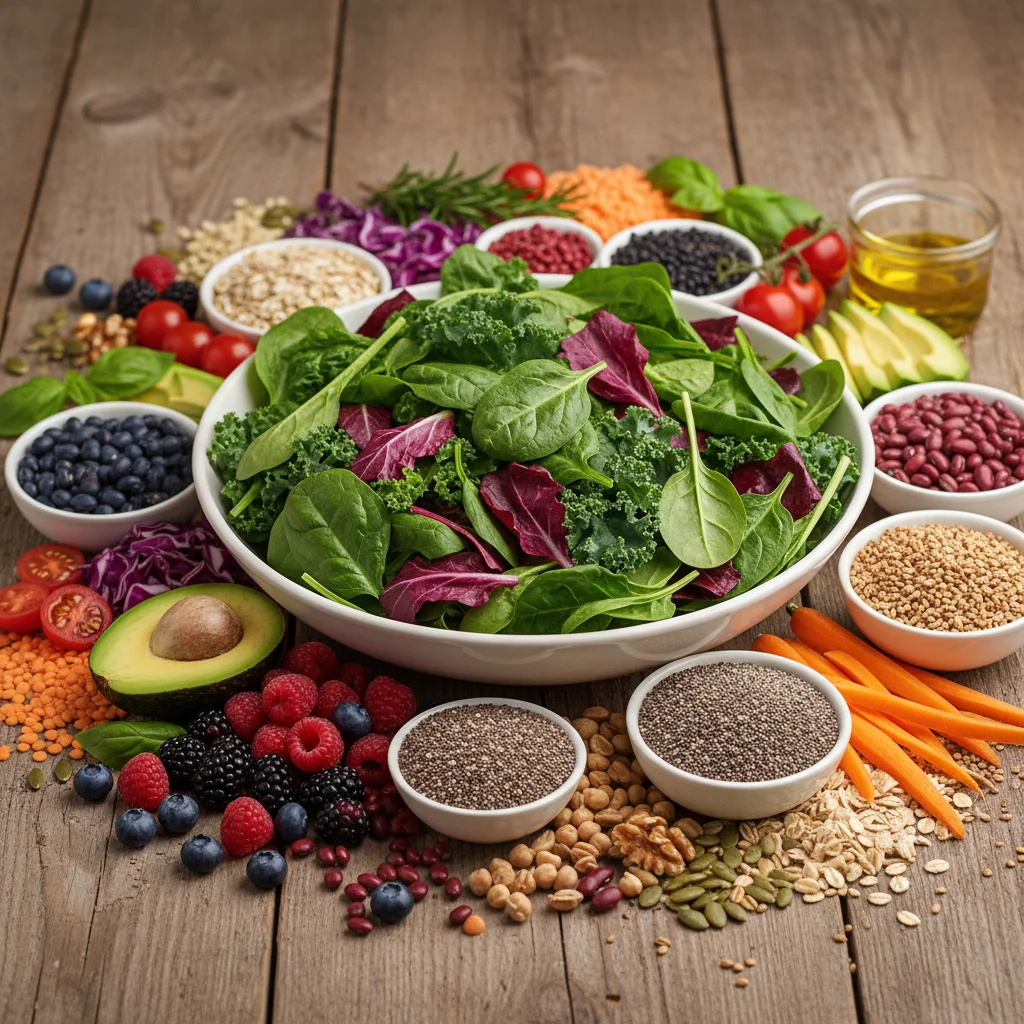
Probiotics, live beneficial bacteria found in fermented foods like yogurt, kefir, sauerkraut, kimchi, and kombucha, continue to be popular for their ability to introduce healthy bacteria into the gut. However, the focus is increasingly shifting towards prebiotics – non-digestible fibers that feed these beneficial bacteria. Excellent sources of prebiotics include garlic, onions, leeks, asparagus, bananas, oats, and legumes. Combining prebiotics and probiotics (synbiotics) is also gaining traction as a synergistic approach to fostering a thriving gut environment.
Beyond fermented foods, the broader concept of a gut-friendly diet emphasizes whole, unprocessed foods, abundant fiber from fruits, vegetables, and whole grains, and a reduction in highly processed foods, artificial sweeteners, and excessive sugar, which can negatively impact microbial balance. Expect to see more targeted probiotic strains, personalized prebiotic recommendations, and an even deeper understanding of the gut-brain axis as this trend evolves. The intricate relationship between our diet, gut microbes, and overall health makes gut health an undeniable cornerstone of Nutritional Trends 2024.
4. Sustainable and Ethical Eating: Food with a Conscience
The intersection of diet, environmental responsibility, and ethical considerations is becoming increasingly prominent, making sustainable and ethical eating a significant player in the Nutritional Trends 2024. Consumers are not just asking ‘what’s in my food?’ but also ‘where did it come from?’ and ‘what impact did it have?’
This trend encompasses several key aspects. Firstly, there’s a growing demand for locally sourced produce. Eating locally reduces the carbon footprint associated with food transportation, supports local economies, and often provides fresher, more nutrient-dense ingredients. Farmers’ markets, community-supported agriculture (CSA) programs, and even urban farming initiatives are gaining popularity as consumers seek direct connections to their food sources.
Secondly, the focus on reducing food waste is intensifying. Globally, a significant portion of food produced for human consumption is lost or wasted, contributing to environmental degradation and resource depletion. Consumers are becoming more conscious of this issue, adopting practices like meal planning, proper food storage, and creative use of leftovers. Innovative technologies and businesses are also emerging to tackle food waste, from apps connecting consumers to surplus food to upcycled food products made from ingredients that would otherwise be discarded.
Thirdly, ethical considerations regarding animal welfare and labor practices in the food supply chain are influencing purchasing decisions. This translates to increased demand for humanely raised animal products, fair trade certified goods, and transparency from food companies about their sourcing and production methods. Certifications like ‘organic,’ ‘grass-fed,’ ‘wild-caught,’ and various ethical labels are becoming more important indicators for discerning consumers.
Finally, the environmental impact of food production, particularly concerning water usage, soil health, and biodiversity, is a growing concern. This is fueling interest in regenerative agriculture, which focuses on practices that improve soil health, sequester carbon, and enhance ecosystems. As consumers become more educated and passionate about these issues, expect to see an even greater emphasis on transparency, traceability, and certified sustainable practices across the food industry, making sustainable and ethical eating a transformative force in Nutritional Trends 2024.

5. Functional Foods and Bioactive Compounds
The concept of food as medicine is gaining significant traction, with functional foods and bioactive compounds emerging as key Nutritional Trends 2024. Functional foods are those that provide health benefits beyond basic nutrition, often due to the presence of specific bioactive compounds.
Consumers are increasingly looking for foods that can proactively support specific health goals, rather than just preventing deficiencies. This includes foods fortified with extra nutrients, as well as naturally occurring foods rich in compounds known to have therapeutic effects. Examples include oats and barley (beta-glucans for heart health), fatty fish (omega-3s for brain and heart health), berries (anthocyanins for antioxidant power), and cruciferous vegetables (glucosinolates for detoxification).
The market for functional foods is expanding rapidly, encompassing everything from fortified yogurts with added probiotics, cereals with extra fiber, and eggs enriched with omega-3s, to more specialized products like adaptogen-infused beverages and nootropic snacks designed to enhance cognitive function. Adaptogens, a class of herbs like ashwagandha, rhodiola, and ginseng, are particularly popular for their ability to help the body adapt to stress and promote balance. Nootropics, often referred to as ‘smart drugs,’ are substances that claim to improve cognitive function, and while many are synthetic, there’s a growing interest in natural nootropic compounds found in foods like lion’s mane mushrooms, bacopa monnieri, and ginkgo biloba.
The scientific community is continually identifying new bioactive compounds and elucidating their mechanisms of action. This research is driving innovation in food product development, allowing manufacturers to create foods that offer targeted health benefits. However, it’s crucial for consumers to approach these products with a critical eye, ensuring that claims are backed by robust scientific evidence. The integration of these powerful ingredients into everyday diets will undoubtedly continue to shape Nutritional Trends 2024, offering exciting avenues for enhancing health and well-being.
6. The Continued Growth of Mindful Eating and Intuitive Eating
Beyond the ‘what’ of eating, the ‘how’ is gaining significant importance, with mindful eating and intuitive eating solidifying their place among the top Nutritional Trends 2024. These approaches represent a paradigm shift from restrictive diets and external rules to an internal, body-centric understanding of food.
Mindful eating involves paying full attention to the experience of eating and drinking, both inside and outside the body. It means noticing the colors, smells, textures, and tastes of your food; listening to physical hunger and fullness cues; and observing the thoughts and feelings that arise around food without judgment. This practice helps individuals develop a healthier relationship with food, move away from emotional eating, and savor their meals more fully.
Intuitive eating, a framework developed by registered dietitians Evelyn Tribole and Elyse Resch, takes this a step further by outlining ten principles that guide individuals to trust their body’s innate wisdom about food. It encourages rejecting the diet mentality, honoring your hunger, making peace with food, challenging the food police (internal rules), feeling your fullness, discovering the satisfaction factor, coping with emotions without using food, respecting your body, exercise that makes a difference, and honoring your health with gentle nutrition.
Both mindful and intuitive eating foster a sense of autonomy and self-compassion around food choices, moving away from shame and guilt often associated with traditional dieting. They emphasize listening to internal cues rather than external rules, promoting a more sustainable and psychologically healthy approach to nourishment. This is particularly relevant in a world saturated with conflicting dietary advice and body image pressures.
The benefits extend beyond weight management, encompassing improved body image, reduced anxiety around food, and a more enjoyable eating experience. As mental health and well-being become increasingly prioritized, expect these eating philosophies to gain even more traction, offering a refreshing and sustainable alternative to the endless cycle of diets. For those seeking a deeper, more harmonious relationship with food, mindful and intuitive eating are invaluable Nutritional Trends 2024 to explore.
Conclusion: Embracing the Future of Nutrition for Optimal Health
The landscape of nutrition is dynamic and exciting, offering unprecedented opportunities for individuals to optimize their health and well-being. The Nutritional Trends 2024 highlighted in this analysis – personalized nutrition, plant-based diets, gut health focus, sustainable eating, functional foods, and mindful eating – collectively point towards a future where dietary choices are more informed, individualized, and holistic.
Embracing these trends means moving beyond simplistic calorie counting or restrictive diets. It involves a deeper understanding of our unique biological needs, a greater appreciation for the interconnectedness of our food choices with the planet, and a more compassionate approach to our relationship with eating. By integrating insights from nutrigenomics, supporting our gut microbiome, choosing sustainable options, exploring the power of functional foods, and practicing mindful consumption, we can unlock new levels of vitality and longevity.
As you look to enhance your health in the coming year, consider how these trends can be woven into your daily life. Start small, experiment with new foods, consult with nutrition professionals, and most importantly, listen to your body. The future of optimal health is within reach, guided by these transformative nutritional insights. Stay curious, stay informed, and embark on a journey towards a healthier, more vibrant you.