Scaling Your U.S. Business: 5 Growth Strategies for the Next 12 Months

Anúncios
Scaling Your U.S. Business: 5 Growth Strategies for the Next 12 Months
In the dynamic landscape of the American economy, achieving sustained U.S. business growth is a goal shared by entrepreneurs and established corporations alike. The next 12 months present a critical window for companies to not only solidify their market position but also to embark on ambitious scaling initiatives. This comprehensive guide will delve into five pivotal strategies designed to propel your U.S. business forward, ensuring robust expansion and long-term success. From leveraging cutting-edge technology to fostering strategic alliances, each strategy is crafted to provide actionable insights for maximizing your growth potential.
Anúncios
The U.S. market, with its vast consumer base and diverse industries, offers unparalleled opportunities for businesses willing to innovate and adapt. However, navigating this complex environment requires a well-thought-out plan. Our focus will be on practical, implementable steps that can yield significant returns within the next year. We understand that scaling a business isn’t just about increasing revenue; it’s about building a sustainable framework that supports continuous innovation, operational efficiency, and enhanced customer satisfaction. Let’s explore how your U.S. business can achieve remarkable growth.
Anúncios
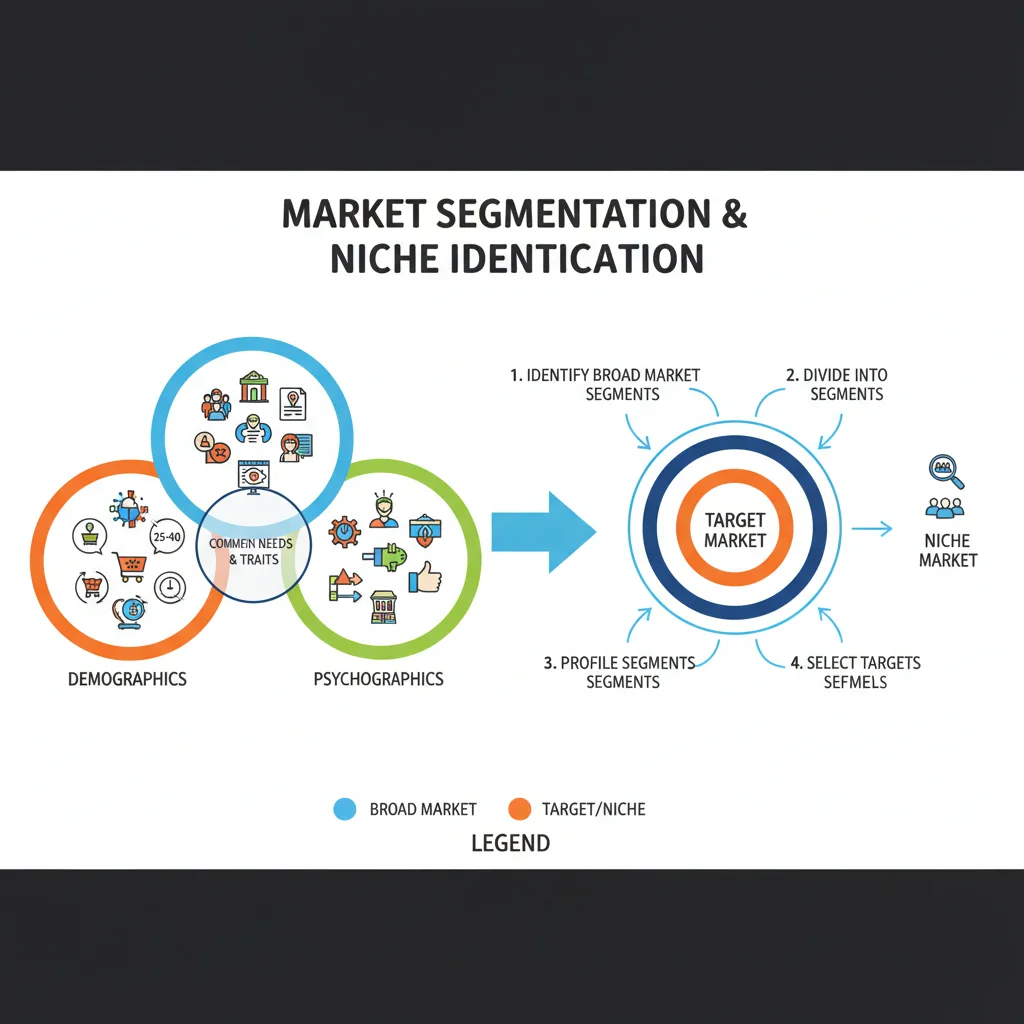
1. Deep Market Penetration and Niche Identification
Achieving significant U.S. business growth begins with a profound understanding of your existing market and identifying untapped niches. Many businesses make the mistake of trying to be everything to everyone, diluting their efforts and resources. Instead, a focused approach to market penetration can yield far greater results. This strategy involves not only increasing your share within your current customer base but also meticulously identifying and targeting underserved segments.
Understanding Your Current Market
Before expanding, it’s crucial to thoroughly analyze your current market performance. What are your strongest product lines or services? Who are your most loyal customers, and what are their demographics and purchasing behaviors? Utilizing data analytics tools can provide invaluable insights into these questions. Look at sales data, customer feedback, website analytics, and social media engagement to paint a clear picture of your current standing. Identifying patterns and trends will help you understand where your existing strengths lie and where there might be opportunities for improvement or optimization.
For instance, if your data shows that a particular demographic consistently purchases a specific product, consider how you can further cater to that group. Are there complementary products or services you could offer? Can you refine your marketing messages to resonate even more deeply with them? This deep dive into your existing market ensures that your foundation is strong before you venture into new territories. It’s about maximizing the value from your current operations while preparing for the next phase of U.S. business growth.
Identifying and Exploiting Underserved Niches
The U.S. market is vast, and even within established industries, there are often specific customer segments whose needs are not fully met by existing offerings. Identifying these niches is a goldmine for U.S. business growth. This requires market research beyond your immediate customer base. Conduct surveys, focus groups, and competitive analysis to uncover gaps in the market. Pay attention to emerging trends, technological advancements, and shifts in consumer preferences.
For example, if you are in the food industry, perhaps there’s a growing demand for organic, gluten-free, locally sourced options in a particular region that isn’t being adequately served. Or, in the tech sector, there might be a need for specialized software solutions for small businesses in a very specific industry. Once a niche is identified, the next step is to develop tailored products, services, and marketing campaigns that speak directly to the unique needs and desires of that segment. This targeted approach allows your U.S. business to establish a strong foothold with less competition, leading to faster and more sustainable growth.
The key here is not just to find a niche, but to understand it deeply. What are the pain points of customers in this niche? What are their aspirations? How can your business offer a solution that is superior to anything currently available? By becoming the go-to provider for a specific, underserved group, your U.S. business can build strong brand loyalty and generate significant word-of-mouth referrals, which are invaluable for scaling.
2. Product Innovation and Diversification
Innovation is the lifeblood of sustained U.S. business growth. In a rapidly evolving market, standing still is akin to moving backward. Product innovation and diversification are crucial for keeping your offerings fresh, relevant, and competitive. This strategy involves both enhancing existing products and introducing entirely new ones that cater to evolving customer demands and market trends.
Enhancing Existing Product Lines
Before launching into entirely new ventures, consider how you can improve your current product or service portfolio. This could involve adding new features, improving user experience, enhancing quality, or making your products more sustainable. Gather feedback from your existing customers through surveys, reviews, and direct interactions. What do they love about your products? What do they wish was different? This customer-centric approach to innovation ensures that your enhancements are genuinely valuable.
For instance, a software company might release regular updates with new functionalities based on user requests, or a retail brand might introduce a premium version of a popular product with enhanced materials. These incremental improvements can significantly boost customer satisfaction and loyalty, leading to repeat business and positive referrals. Furthermore, enhancing existing products can often be a more cost-effective way to drive U.S. business growth than developing entirely new ones from scratch, as it leverages existing brand recognition and customer trust.
Developing New Products and Services
While enhancing existing offerings is important, true U.S. business growth often requires venturing into new product categories or services. This diversification can open up new revenue streams, attract different customer segments, and reduce your reliance on a single product. When developing new products, it’s essential to conduct thorough market research to ensure there is genuine demand and a viable business case.
Consider emerging technologies, changing consumer lifestyles, and unmet needs. For example, a company specializing in physical fitness equipment might diversify into online coaching services or wearable tech. A coffee shop might start offering specialty baked goods or a subscription service for home-brewed coffee. The key is to leverage your existing expertise and brand reputation while exploring adjacent markets.
The development process should be agile, involving prototyping, testing, and iterating based on feedback. Don’t be afraid to start small with a minimum viable product (MVP) to test the waters before a full-scale launch. This approach minimizes risk and allows for quick adjustments. Successful product diversification is a powerful engine for U.S. business growth, allowing your company to capture new market share and adapt to future challenges.
3. Optimizing Operations and Leveraging Technology
Operational efficiency is often an unsung hero of U.S. business growth. Streamlining processes and effectively leveraging technology can lead to significant cost savings, increased productivity, and enhanced customer experiences. In today’s competitive environment, businesses that can do more with less often come out on top.
Process Automation and Efficiency
Examine your core business processes and identify areas ripe for automation. Tasks that are repetitive, time-consuming, and prone to human error are ideal candidates. This could include automating customer service inquiries with chatbots, streamlining inventory management with AI-powered systems, or automating marketing campaigns. The benefits extend beyond cost reduction; automation frees up your human talent to focus on more strategic, creative, and value-added tasks.
For example, implementing an enterprise resource planning (ERP) system can integrate various functions like finance, HR, and supply chain management, providing a holistic view of your operations and eliminating data silos. Customer relationship management (CRM) software can automate sales processes, track customer interactions, and personalize communication, leading to improved sales conversion rates and customer satisfaction. By making your operations leaner and more efficient, your U.S. business can scale without necessarily increasing overhead proportionally, leading to healthier profit margins.
Adopting Advanced Technologies
Beyond automation, actively seek out and adopt advanced technologies that can give your U.S. business a competitive edge. This might include artificial intelligence (AI) for predictive analytics, machine learning (ML) for personalized recommendations, cloud computing for scalable infrastructure, or blockchain for enhanced security and transparency. The right technology can transform how you interact with customers, manage your supply chain, and make strategic decisions.
Consider how data analytics can inform your U.S. business growth strategies. By analyzing large datasets, you can identify market trends, predict customer behavior, and optimize pricing strategies. Cloud-based solutions offer flexibility and scalability, allowing your business to expand its operations without significant upfront infrastructure investments. Investing in cybersecurity is also paramount, protecting your data and maintaining customer trust as you grow. Staying abreast of technological advancements and strategically integrating them into your operations is not just about efficiency; it’s about future-proofing your U.S. business.
4. Strategic Partnerships and Alliances
No business operates in a vacuum, and forging strategic partnerships is a powerful accelerator for U.S. business growth. Collaborating with other companies can provide access to new markets, shared resources, complementary expertise, and increased brand visibility. These alliances can take many forms, from joint ventures to co-marketing agreements.
Identifying Complementary Businesses
Look for businesses that serve a similar target audience but offer non-competing products or services. These are ideal partners. For instance, a fitness apparel brand might partner with a local gym, a health food store, or a personal training service. A software company might partner with a hardware manufacturer or a consulting firm that implements its solutions. The goal is to find partners whose offerings enhance yours, creating a more comprehensive value proposition for customers.
When identifying potential partners, consider their reputation, market reach, and alignment with your company’s values. A successful partnership is built on mutual benefit and trust. Clearly define the objectives, roles, and responsibilities of each party from the outset to avoid misunderstandings later on. Strategic partnerships can significantly amplify your market presence and accelerate your U.S. business growth by allowing you to tap into established customer bases and distribution channels that would be costly or difficult to build independently.
Leveraging Joint Ventures and Co-Marketing
Once you’ve identified potential partners, explore different types of collaborations. A joint venture (JV) might be suitable for a specific project or market entry, where both companies contribute resources and share risks and rewards. This can be particularly effective for entering new geographical regions within the U.S. or developing a new product line that requires specialized expertise from both sides.
Co-marketing initiatives are another excellent way to expand your reach. This could involve cross-promotion on social media, joint webinars, shared content creation, or bundled product offerings. For example, two complementary businesses could run a joint advertising campaign, splitting the costs and reaching a wider audience than either could individually. These types of alliances can be a cost-effective way to generate leads, build brand awareness, and drive U.S. business growth without requiring significant capital investment. The key is to choose partners whose brand image aligns with yours and whose audience will genuinely benefit from your combined offerings.

5. Enhancing Customer Experience and Retention
In an increasingly crowded market, exceptional customer experience (CX) is no longer a luxury but a necessity for sustained U.S. business growth. Happy customers are not only repeat customers but also powerful advocates for your brand. Focusing on retention and cultivating positive customer relationships can yield significant long-term benefits.
Personalization and Proactive Support
Customers today expect personalized experiences. Leverage data to understand individual preferences and tailor your communication, product recommendations, and offers accordingly. This could involve personalized email campaigns, customized product pages, or even bespoke service interactions. The more you make customers feel seen and valued, the stronger their loyalty will be.
Proactive customer support is another game-changer. Instead of waiting for customers to report issues, anticipate their needs and offer solutions before problems arise. This might involve sending timely updates on orders, providing helpful tips for product usage, or checking in after a purchase to ensure satisfaction. Utilizing AI-powered tools for sentiment analysis can help you identify potential issues early on. By addressing concerns before they escalate, your U.S. business can turn potential detractors into loyal promoters, significantly contributing to U.S. business growth through positive word-of-mouth.
Building Community and Soliciting Feedback
Creating a sense of community around your brand can significantly boost retention and foster a loyal customer base. This could involve online forums, social media groups, or exclusive events for your customers. A community provides a platform for customers to connect with each other, share experiences, and feel a deeper connection to your brand. This also serves as a valuable source of organic feedback and user-generated content.
Actively solicit customer feedback through surveys, reviews, and direct communication channels. But more importantly, demonstrate that you listen and act on that feedback. When customers see their suggestions being implemented, it reinforces their sense of value and strengthens their relationship with your business. This continuous feedback loop is vital for product improvement, service refinement, and overall U.S. business growth. Remember, a highly satisfied customer is your best marketing asset, driving organic growth and reducing customer acquisition costs over time.
Conclusion: Charting Your Course for U.S. Business Growth
The next 12 months offer a fertile ground for businesses aiming to achieve significant U.S. business growth. By strategically focusing on deep market penetration and niche identification, fostering continuous product innovation and diversification, optimizing operations through technology, building robust strategic partnerships, and prioritizing an exceptional customer experience, your business can not only survive but thrive in the competitive American market.
Each of these five strategies is interconnected and mutually reinforcing. A deep understanding of your market informs your product innovation, which is then efficiently delivered through optimized operations. Strategic partnerships amplify your reach, and all efforts culminate in a superior customer experience that drives retention and advocacy. Implementing these strategies requires commitment, adaptability, and a willingness to leverage data-driven insights.
As you plan for the coming year, consider how these principles can be integrated into your existing business model. Set clear, measurable goals for each area, and regularly review your progress. The journey of U.S. business growth is continuous, but with a well-defined strategy and relentless execution, your company is poised for unprecedented success. Embrace innovation, prioritize your customers, and look for opportunities to collaborate, and you will undoubtedly unlock new levels of growth and prosperity for your U.S. business.