Sustainable Fashion Swaps 2026: Reduce Your Carbon Footprint by 15%
Anúncios
The Top 7 Sustainable Fashion Swaps for 2026: Reduce Your Carbon Footprint by 15%
Anúncios
The fashion industry, a global behemoth, is also one of the planet’s most significant polluters. From excessive water consumption and chemical dyes to massive textile waste and carbon emissions from production and transportation, its environmental footprint is undeniable. As we look towards 2026, the urgency to adopt more sustainable practices has never been greater. Consumers are increasingly aware of their impact, and the demand for ethical and eco-friendly alternatives is surging. This comprehensive guide will delve into the top 7 sustainable fashion swaps you can make in 2026 to not only elevate your style but also contribute to a remarkable 15% reduction in your personal carbon footprint. By embracing these sustainable fashion swaps, you’ll be part of a movement that prioritizes planet over profit, proving that style and sustainability can coexist beautifully.
Understanding the impact of our clothing choices is the first step towards meaningful change. Fast fashion, characterized by rapid production cycles, low prices, and disposable garments, has led to an unsustainable consumption model. The average person buys 60% more clothes today than 15 years ago, yet keeps them for only half as long. This cycle generates enormous waste, with an estimated 85% of textiles ending up in landfills annually. Moreover, the production of new garments consumes vast amounts of resources. For instance, it takes about 2,700 liters of water to produce one cotton t-shirt – enough drinking water for one person for 2.5 years. The dyeing process alone is responsible for 20% of global industrial water pollution. Chemical-laden fabrics and microplastic shedding from synthetic materials further exacerbate environmental degradation. By making conscious sustainable fashion swaps, we can collectively push the industry towards more responsible practices and protect our planet for future generations. Our goal with these sustainable fashion swaps is to empower you to make informed decisions that benefit both your wardrobe and the environment.
Anúncios
Why Your Wardrobe Matters: The Environmental Cost of Fast Fashion
Before diving into specific sustainable fashion swaps, it’s crucial to grasp the profound environmental implications of the fashion industry. The sheer volume of clothing produced globally is staggering, with estimates suggesting over 100 billion garments are manufactured each year. This relentless production cycle places immense strain on natural resources. Cotton, while a natural fiber, is incredibly water-intensive and often grown with pesticides that deplete soil health and contaminate water sources. Synthetic fibers like polyester, nylon, and acrylic are derived from fossil fuels, making their production energy-intensive and contributing to greenhouse gas emissions. Furthermore, these materials are non-biodegradable and release microplastic fibers into our waterways with every wash, harming marine life and entering the human food chain.
Beyond material production, the manufacturing processes themselves are highly polluting. Factories often rely on cheap labor and lax environmental regulations in developing countries, leading to unsafe working conditions and rampant pollution. Dyeing and finishing processes release toxic chemicals into local water systems, impacting ecosystems and human health. The transportation of raw materials, finished garments, and discarded clothing across continents adds significantly to the industry’s carbon footprint. Finally, the ‘take-make-dispose’ linear model of fast fashion results in mountains of textile waste. Most discarded clothing ends up in landfills, where synthetic fibers can take hundreds of years to decompose, and even natural fibers release methane, a potent greenhouse gas, as they break down anaerobically.
The good news is that every consumer has the power to influence this system. By consciously choosing sustainable fashion swaps, we can reduce demand for fast fashion, encourage brands to adopt more ethical practices, and foster a circular economy where resources are valued and reused. This guide aims to provide actionable steps, making it easier for you to navigate these choices and make a real difference.
Swap 1: Embrace Second-Hand and Vintage Clothing
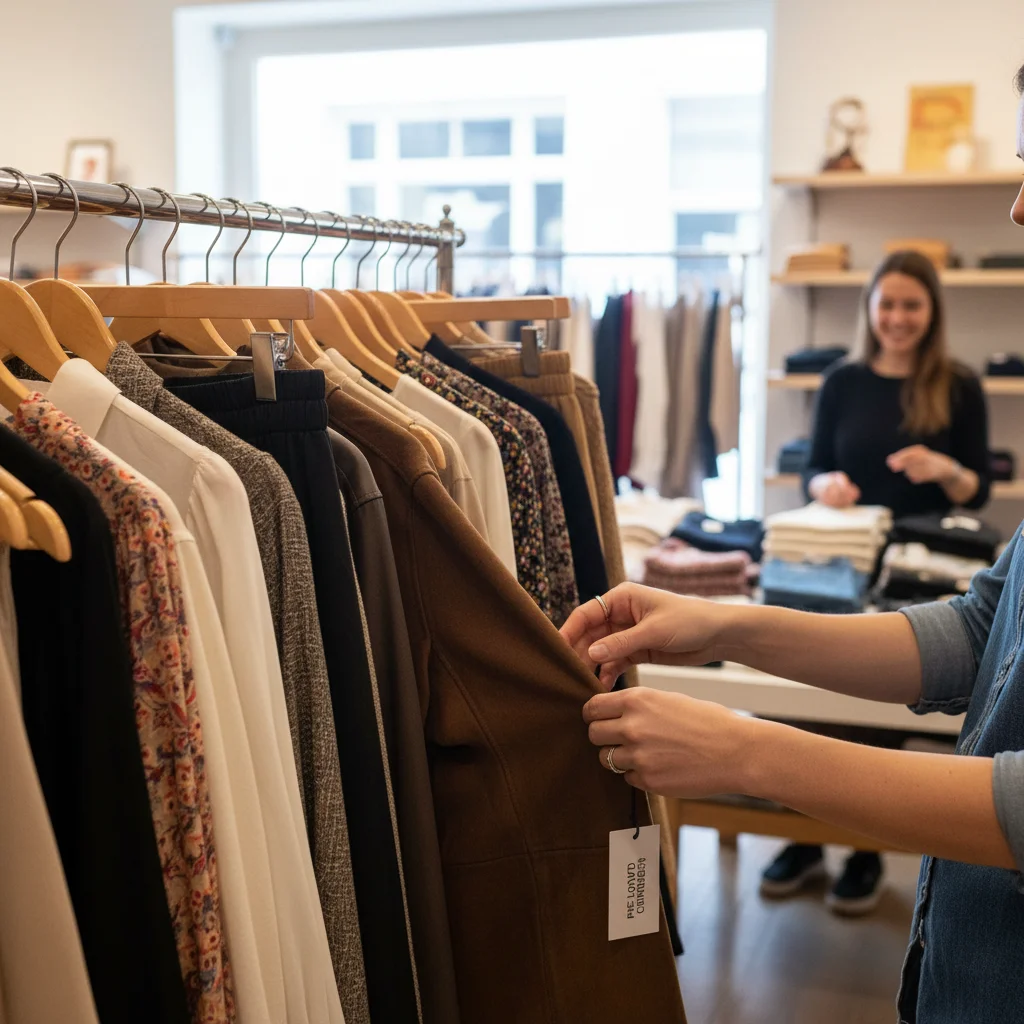
One of the most impactful sustainable fashion swaps you can make is to shift your purchasing habits towards second-hand and vintage clothing. Instead of buying new, explore the treasures waiting in thrift stores, consignment shops, online marketplaces, and vintage boutiques. This swap directly combats textile waste by extending the life cycle of existing garments and prevents the need for new production. Every pre-loved item you purchase means one less new item needs to be manufactured, saving water, energy, and reducing pollution.
The benefits of second-hand shopping go beyond environmental impact. It’s often more affordable, allowing you to build a unique wardrobe without breaking the bank. Vintage pieces offer unparalleled style and quality that often surpasses modern fast fashion garments. You can discover unique designs, high-quality fabrics, and timeless silhouettes that set your style apart. With the rise of platforms like ThredUp, Poshmark, Depop, and local consignment stores, finding pre-owned gems has never been easier or more accessible. Make it a habit to check these sources before heading to traditional retail stores. This simple yet profound change in shopping behavior is a cornerstone of effective sustainable fashion swaps.
Swap 2: Invest in High-Quality, Durable Pieces Over Fast Fashion Trends
Another critical of sustainable fashion swaps involves a fundamental shift in mindset: moving away from quantity and towards quality. Fast fashion encourages impulse purchases of trendy, inexpensive garments that are often poorly made and quickly discarded. The alternative is to invest in fewer, higher-quality pieces that are designed to last. Think of it as building a capsule wardrobe of timeless staples that can be mixed and matched for various occasions.
While the initial cost of a high-quality item might be higher, its cost-per-wear over its lifespan will likely be significantly lower than that of multiple cheap, disposable items. When you choose durable fabrics like organic cotton, linen, hemp, Tencel, or responsibly sourced wool, you’re investing in garments that can withstand repeated wear and washing. Look for strong stitching, well-finished seams, and classic designs that won’t go out of style next season. This approach reduces the frequency of new purchases, thereby cutting down on resource consumption and waste. It’s about conscious consumerism, valuing longevity, and making smart sustainable fashion swaps that pay off in the long run for both your wallet and the planet.
Swap 3: Choose Sustainable and Ethical Brands
The market for sustainable and ethical fashion brands is growing rapidly, offering consumers a plethora of choices that align with their values. This sustainable fashion swaps means actively seeking out brands that prioritize environmental protection, fair labor practices, and transparency throughout their supply chains. Many brands are now committed to using eco-friendly materials, minimizing waste, reducing water and energy consumption, and ensuring fair wages and safe working conditions for their employees.
How can you identify truly sustainable brands? Look for certifications like GOTS (Global Organic Textile Standard) for organic fibers, Fair Trade for ethical labor, B Corp certification for overall social and environmental performance, and OEKO-TEX Standard 100 for textiles tested for harmful substances. Research brands’ websites to understand their mission, sourcing practices, and sustainability reports. Apps and websites like Good On You provide ratings for brands based on their impact on people, the planet, and animals, making it easier to make informed decisions. By supporting these brands, you’re voting with your wallet for a more responsible and equitable fashion industry, making one of the most direct sustainable fashion swaps.
Swap 4: Repair, Repurpose, and Upcycle Your Clothes
Before considering discarding an item, think about its potential for repair, repurposing, or upcycling. This is one of the most hands-on and creative sustainable fashion swaps you can implement. A broken zipper, a loose button, or a small tear doesn’t have to spell the end for a beloved garment. Learning basic mending skills – or finding a local tailor – can significantly extend the life of your clothes. Repairing clothes reduces waste and saves you money, preventing the need to buy new replacements.
Beyond simple repairs, consider repurposing or upcycling. An old pair of jeans can become stylish shorts or a trendy tote bag. A worn-out t-shirt can be transformed into cleaning rags or even a unique woven rug. There are countless DIY tutorials and workshops available to inspire your creativity. Upcycling not only gives new life to old items but also allows you to express your personal style in a unique, eco-conscious way. This practice fosters a deeper appreciation for your wardrobe and challenges the disposable mentality of fast fashion. Embracing repair and upcycling is a powerful component of any strategy for sustainable fashion swaps.

Swap 5: Opt for Eco-Friendly Fabrics
The choice of fabric has a monumental impact on a garment’s environmental footprint. Making sustainable fashion swaps in your fabric choices can drastically reduce your impact. Move away from conventional cotton (unless organic) and synthetic materials like virgin polyester and nylon, and instead prioritize eco-friendly alternatives. These fabrics are produced with significantly less water, energy, and harmful chemicals, and often have better biodegradability at the end of their life.
Key eco-friendly fabrics to look for include:
- Organic Cotton: Grown without synthetic pesticides and fertilizers, reducing water pollution and promoting soil health.
- Linen: Made from flax plants, which require minimal water and pesticides. Linen is durable, breathable, and fully biodegradable.
- Hemp: Another highly sustainable fiber that grows quickly, requires little water, and improves soil quality. It’s incredibly strong and durable.
- Tencel (Lyocell): A brand of lyocell fiber made from sustainably sourced wood pulp. Its production process is a closed-loop system, meaning chemicals and water are reused, minimizing waste.
- Modal: Similar to Tencel, Modal is also derived from beechwood pulp using an eco-friendly process. It’s known for its softness and drape.
- Recycled Materials: Fabrics made from recycled polyester (RPET) or recycled cotton reduce waste and the need for virgin resources.
- Piñatex: An innovative leather alternative made from pineapple leaf fibers, offering a vegan and sustainable option.
By consciously selecting garments made from these materials, you’re making a direct positive impact and supporting the development of a more sustainable textile industry. This commitment to better materials is a fundamental aspect of effective sustainable fashion swaps.
Swap 6: Wash Your Clothes Less and More Responsibly
It’s not just what you buy, but how you care for it that contributes to your fashion footprint. The washing and drying of clothes account for a significant portion of a garment’s environmental impact throughout its lifecycle. This sustainable fashion swaps focuses on extending the life of your clothes through mindful care.
Here’s how to make your laundry routine more sustainable:
- Wash Less: Many garments don’t need to be washed after every wear. If an item isn’t visibly dirty or smelly, consider airing it out or spot cleaning. This saves water, energy, and prolongs the life of the fabric.
- Use Cold Water: Heating water for laundry consumes a lot of energy. Modern detergents are effective in cold water, making it an easy switch to save energy.
- Full Loads: Always wait until you have a full load to run your washing machine to maximize efficiency.
- Air Dry: Tumble dryers are energy hogs. Air drying your clothes on a line or drying rack saves a significant amount of energy and is gentler on your garments, helping them last longer.
- Use Eco-Friendly Detergents: Choose detergents that are biodegradable, free from phosphates, harsh chemicals, and synthetic fragrances.
- Use a Guppyfriend Washing Bag: For synthetic garments, use a microplastic-catching wash bag to prevent microfibers from entering waterways.
These simple changes in your laundry habits can significantly reduce your water and energy consumption, further contributing to your goal of making impactful sustainable fashion swaps.
Swap 7: Participate in Clothing Swaps and Rental Services
The final of our top sustainable fashion swaps encourages community and sharing. Clothing swaps and rental services offer fantastic opportunities to refresh your wardrobe without buying new items, embodying the principles of a circular economy. Clothing swaps, whether organized with friends or through community events, allow you to exchange unwanted garments for ‘new-to-you’ pieces. It’s a fun, social, and free way to update your style while keeping clothes in circulation and out of landfills.
For special occasions or high-end items you’d only wear once or twice, consider clothing rental services. Platforms like Rent the Runway, Nuuly, and local formalwear rental shops allow you to access a diverse range of outfits without the commitment of ownership. This is particularly beneficial for expensive dresses, suits, or seasonal trends that you might not want to invest in permanently. Rental services significantly reduce the demand for new production and minimize textile waste, offering a smart and stylish solution for occasional wear. By engaging in these services, you’re embracing a collaborative consumption model that is inherently sustainable and a powerful example of sustainable fashion swaps.
Measuring Your Impact: How Sustainable Fashion Swaps Reduce Your Carbon Footprint by 15%
The cumulative effect of these sustainable fashion swaps is truly remarkable. While individual impacts vary, adopting these seven practices can collectively lead to a significant reduction in your personal fashion carbon footprint, estimated at a minimum of 15% by 2026. This percentage is derived from various studies on textile waste reduction, energy savings from less washing and new production, and the lower emissions associated with second-hand and sustainably produced garments.
For example, buying a second-hand item typically saves 70-80% of the carbon emissions associated with producing a new one. Extending the life of a garment by just nine months can reduce its carbon, water, and waste footprints by around 20-30%. Switching to cold washes and air-drying can cut laundry-related emissions by over 50%. When you combine these actions – buying less new, choosing durable and eco-friendly materials when you do buy, repairing what you own, and participating in circular fashion models – the impact compounds significantly. Your wardrobe becomes a testament to conscious living, demonstrating that style does not have to come at the planet’s expense. These sustainable fashion swaps are not just trends; they are vital steps towards a healthier planet.
Overcoming Challenges and Staying Motivated
Embarking on a journey of sustainable fashion swaps might present some challenges. It requires a shift in mindset, patience to find the right pieces, and sometimes a higher upfront investment. Fast fashion’s convenience and low prices can be tempting. However, remember your ‘why.’ Your commitment to reducing your carbon footprint and supporting ethical practices is a powerful motivator.
To stay motivated, start small. Pick one or two sustainable fashion swaps from this list that feel most achievable for you right now. As you build confidence and see the positive impact, gradually incorporate more. Connect with online communities or local groups focused on sustainable living for inspiration and support. Celebrate your successes, no matter how small. Remember, every conscious choice contributes to a larger movement. By 2026, imagine the collective impact if millions adopt these sustainable fashion swaps. Your individual actions are powerful, and together, we can reshape the future of fashion.
Conclusion: A Sustainable Style Revolution for 2026
The path to a more sustainable wardrobe is an ongoing journey, but one that offers immense rewards for both you and the planet. By integrating these top 7 sustainable fashion swaps into your lifestyle by 2026, you are actively participating in a global movement towards a greener, more ethical fashion industry. From embracing the charm of second-hand treasures and investing in timeless, durable pieces to supporting ethical brands and extending the life of your clothes through repair and responsible care, every decision counts.
These sustainable fashion swaps are not about sacrificing style or convenience; rather, they are about making informed choices that align with your values and contribute to a healthier planet. Imagine the collective impact if everyone committed to reducing their fashion carbon footprint by 15%. The future of fashion is in our hands, and by choosing sustainability, we choose a better world. Start making your sustainable fashion swaps today and be a trendsetter for a brighter, more responsible 2026 and beyond.