In the ever-evolving landscape of the American marketplace, understanding consumer behavior shifts is not just advantageous; it’s absolutely critical for survival and growth. As we look ahead to Q2 2026, several profound transformations are reshaping how U.S. consumers interact with brands, make purchasing decisions, and define value. Businesses that fail to anticipate and adapt to these changes risk becoming obsolete, while those that embrace them will unlock unprecedented opportunities for engagement and loyalty. This comprehensive guide will delve into four pivotal consumer behavior shifts that every business must understand to strategically navigate the market in the coming quarters.
Anúncios
The American consumer, once predictable in their patterns, is now a complex tapestry of desires, values, and digital interactions. The confluence of technological advancements, socio-economic pressures, and a heightened global consciousness has accelerated these shifts. For businesses, this means moving beyond traditional market segmentation and embracing a more nuanced understanding of individual and collective consumer behavior shifts. We’re not just talking about minor adjustments; these are fundamental reorientations that demand strategic overhauls in product development, marketing, sales, and customer service.
Anúncios
The current economic climate, characterized by fluctuating inflation, supply chain complexities, and evolving employment landscapes, continues to exert significant pressure on consumer spending habits. However, it’s not solely about affordability. Consumers are increasingly discerning, seeking value beyond price, encompassing aspects like ethical sourcing, environmental impact, and personalized experiences. This holistic approach to value is a cornerstone of the emerging consumer behavior shifts. Brands that can effectively communicate their commitment to these broader values will resonate more deeply with their target audiences.
Digital transformation, which received a massive boost during the pandemic, continues its relentless march forward. The boundaries between online and offline shopping are blurring, creating an expectation for seamless, omnichannel experiences. Furthermore, the rise of new technologies like AI-driven personalization, augmented reality (AR) shopping, and voice commerce is not just changing how consumers shop but also how they discover and interact with brands. Businesses must invest in robust digital infrastructures that can support these advanced interactions, ensuring their presence is felt across all relevant touchpoints. This is a crucial element of understanding and responding to consumer behavior shifts.
Understanding these macro trends sets the stage for a deeper dive into the four specific consumer behavior shifts that will define Q2 2026. Each shift presents both challenges and immense opportunities for businesses willing to innovate and prioritize the evolving needs of their customers. Let’s explore these pivotal changes in detail, providing actionable insights for your strategic planning.
The Hyper-Personalization Imperative: Beyond Basic Recommendations
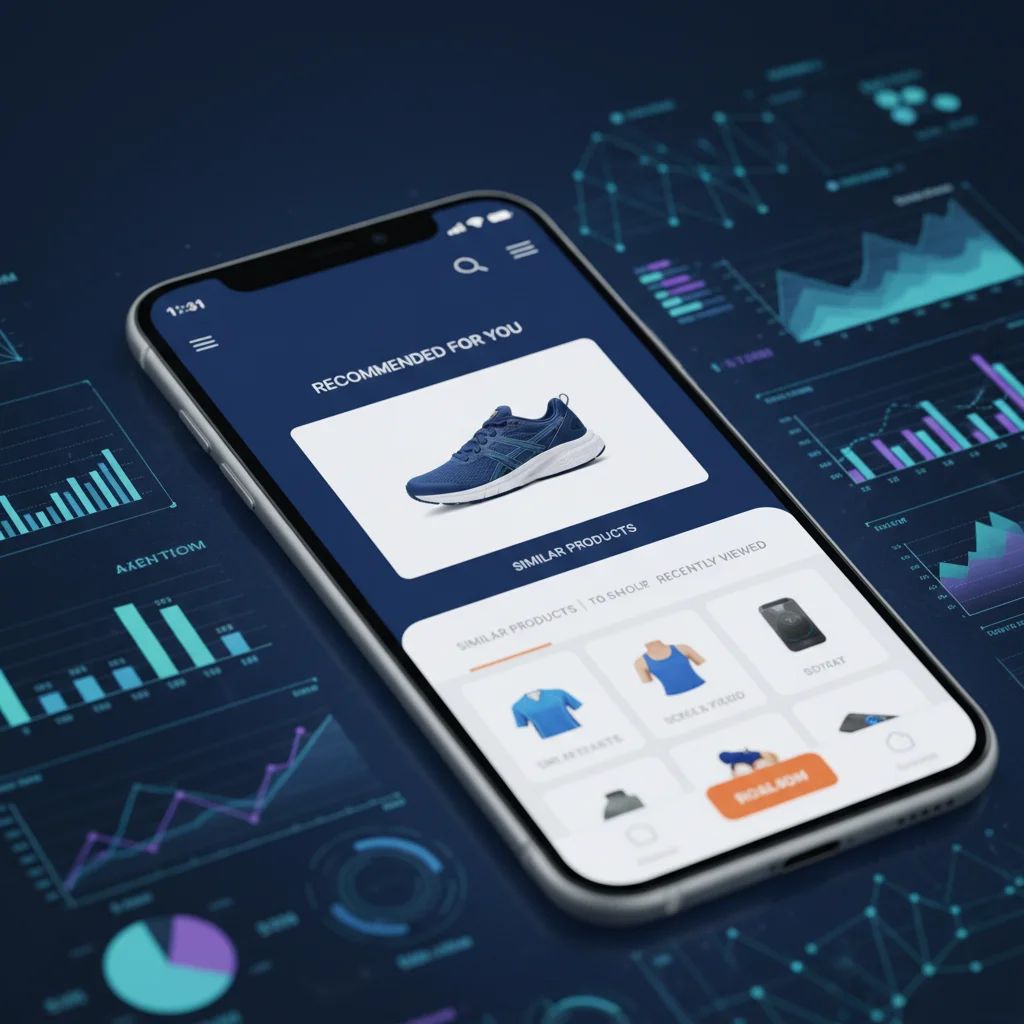
The days of generic marketing messages and one-size-fits-all product offerings are rapidly fading into obsolescence. Today’s U.S. consumer, particularly in Q2 2026, expects and demands hyper-personalization across every touchpoint. This isn’t merely about recommending products based on past purchases; it’s about understanding individual preferences, anticipating future needs, and delivering tailored experiences that feel genuinely bespoke. This profound shift is driven by a combination of data availability, advanced AI capabilities, and consumer fatigue with irrelevant content.
Hyper-personalization encompasses everything from customized product suggestions and dynamic pricing to personalized content delivery and tailored customer service interactions. Consumers are increasingly willing to share their data in exchange for these enhanced experiences, provided there’s transparency and trust. Businesses must invest in robust data analytics platforms and AI-powered tools that can collect, process, and interpret vast amounts of consumer data to create truly individualized journeys. This data-driven approach is fundamental to navigating the evolving consumer behavior shifts.
Consider the impact on marketing strategies. Instead of broad campaigns, businesses should focus on micro-segmentation and individualized outreach. Email marketing, for instance, can move beyond name personalization to include product recommendations based on browsing history, abandoned cart items, and even predicted future needs. Websites and mobile apps should dynamically adjust their content and layout based on the user’s profile and real-time behavior. The goal is to make every interaction feel like it was designed specifically for that one individual, fostering a deeper sense of connection and loyalty.
Beyond marketing, hyper-personalization extends to product development. Co-creation models, where consumers have a say in product features or designs, are gaining traction. Subscription boxes that are curated based on detailed preference profiles exemplify this trend. Even in traditional retail, personalized styling services or in-store product recommendations powered by AI are becoming more common. The key is to move from a transactional relationship to a relational one, where the brand understands and caters to the unique journey of each customer.
The challenge lies in striking the right balance between personalization and privacy. Consumers appreciate tailored experiences but are also increasingly wary of how their data is used. Transparency, clear consent mechanisms, and robust data security measures are paramount. Brands that can build trust in their data practices will be better positioned to leverage hyper-personalization as a competitive advantage. This delicate balance is a critical aspect of understanding and responding to consumer behavior shifts.
For Q2 2026, businesses should prioritize:
- Investing in AI and Machine Learning: To analyze data and deliver real-time personalized experiences.
- Building Comprehensive Customer Profiles: Integrating data from all touchpoints to create a holistic view of each customer.
- Implementing Dynamic Content Strategies: Ensuring websites, apps, and communications adapt to individual preferences.
- Focusing on Ethical Data Practices: Prioritizing transparency and security to build consumer trust.
- Training Customer Service Teams: To utilize personalized insights for more effective and empathetic interactions.
The Ethical and Sustainable Consumption Imperative
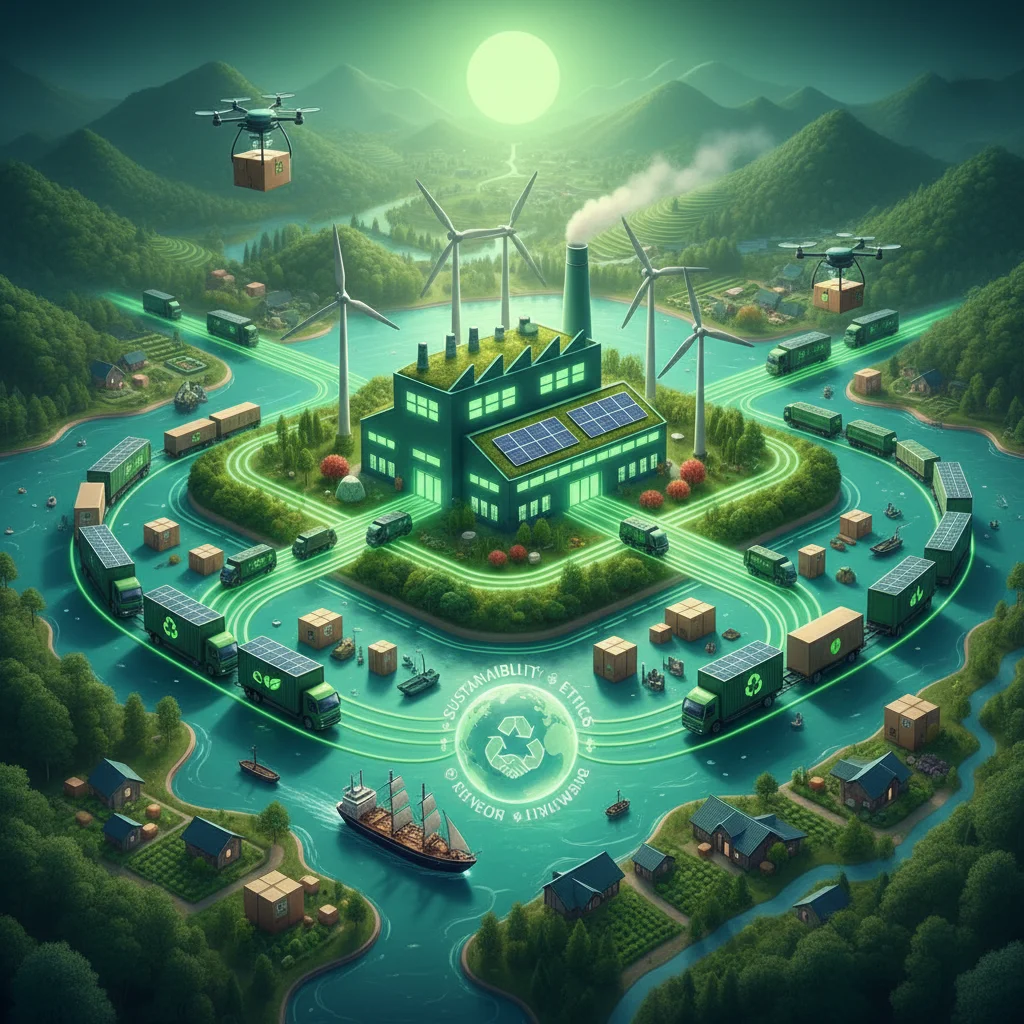
Another significant consumer behavior shift gaining momentum, and set to be a dominant force in Q2 2026, is the increasing demand for ethical and sustainable products and business practices. Consumers, particularly younger generations, are no longer content with simply purchasing goods; they want to align their spending with their values. This means scrutinizing a brand’s environmental footprint, labor practices, supply chain transparency, and overall social responsibility.
The climate crisis, social justice movements, and a general heightened awareness of global issues have propelled ethical consumption from a niche concern to a mainstream expectation. Consumers are actively seeking out brands that demonstrate a genuine commitment to sustainability, fair labor, and community engagement. Greenwashing—the act of deceptively marketing products as environmentally friendly—is met with skepticism and can severely damage a brand’s reputation. Authenticity and transparency are key.
This shift impacts everything from product design and sourcing to packaging and marketing. Businesses must seriously evaluate their entire value chain to identify areas for improvement. This could involve using recycled or sustainably sourced materials, reducing carbon emissions in manufacturing and logistics, adopting fair trade practices, or investing in renewable energy. Communicating these efforts clearly and honestly to consumers is crucial. Certifications from reputable third-party organizations can help build trust and validate claims.
The rise of the circular economy model is a direct response to this consumer behavior shift. Consumers are increasingly interested in products that are designed for longevity, repairability, and eventual recycling or repurposing. Brands that offer repair services, take-back programs, or subscription models that emphasize product reuse will resonate strongly with this segment. This not only appeals to environmentally conscious consumers but can also create new revenue streams and foster long-term customer relationships.
Beyond environmental concerns, social ethics play a significant role. Consumers are paying attention to how companies treat their employees, their stance on social issues, and their contributions to the community. Brands that demonstrate a commitment to diversity, equity, and inclusion, both internally and externally, will gain favor. Conversely, companies perceived as exploitative or socially irresponsible risk alienating a significant portion of the market.
For Q2 2026, businesses should consider:
- Conducting a Sustainability Audit: Evaluate your environmental and social impact across your entire operation.
- Investing in Sustainable Sourcing and Production: Prioritize eco-friendly materials, reduced waste, and ethical labor.
- Ensuring Supply Chain Transparency: Be open about where and how your products are made.
- Communicating Authentically: Share your sustainability journey, including challenges and successes, without greenwashing.
- Developing Circular Economy Initiatives: Explore repair services, take-back programs, or product-as-a-service models.
The Value-Driven Decision Making: Beyond Price
While price will always be a factor, the U.S. consumer in Q2 2026 is increasingly making purchasing decisions based on a broader definition of ‘value.’ This consumer behavior shift moves beyond mere cost-effectiveness to encompass product quality, durability, brand reputation, customer service, and the overall experience. In an economic environment where budgets might be tight, consumers are becoming more discerning, opting for products and services that offer long-term benefits and align with their priorities, rather than just the cheapest option.
This doesn’t mean consumers are willing to overspend; rather, they are evaluating the total cost of ownership and the perceived return on investment. For example, a consumer might choose a slightly more expensive appliance if it comes with a longer warranty, better energy efficiency, and a reputation for reliability. Similarly, they might invest in a premium service if it promises superior results and exceptional customer support. The perceived value must justify the price point.
Brand reputation plays a crucial role in value-driven decision-making. Brands known for their quality, reliability, and excellent customer service command a premium. Conversely, brands with a history of poor product performance or inadequate support will struggle, even if their prices are lower. Building and maintaining a strong, positive brand image through consistent quality and customer-centric practices is paramount.
The ‘experience economy’ also feeds into this shift. Consumers are increasingly valuing experiences over possessions. This translates into products that offer unique features, services that simplify their lives, or brands that create memorable interactions. The entire customer journey, from initial discovery to post-purchase support, contributes to the perceived value. Seamless digital experiences, responsive customer service, and personalized follow-ups all enhance this value proposition.
For businesses, this means moving away from a race to the bottom on price and instead focusing on differentiating through superior value. This could involve enhancing product features, improving material quality, extending warranties, offering exceptional customer support, or creating unique brand experiences. Communicating this enhanced value proposition effectively through marketing and sales channels is key. Highlighting durability, long-term savings, and superior performance can resonate more deeply than simply advertising a low price.
For Q2 2026, businesses should focus on:
- Enhancing Product Quality and Durability: Invest in superior materials and robust design to offer long-term value.
- Improving Customer Service: Provide exceptional support across all channels to build loyalty and trust.
- Building a Strong Brand Reputation: Consistently deliver on promises and engage ethically with customers.
- Communicating Total Value: Highlight long-term benefits, warranties, and unique features in marketing.
- Creating Memorable Experiences: Integrate experiential elements into the customer journey, both online and offline.
The Blurring Lines of Digital and Physical Commerce
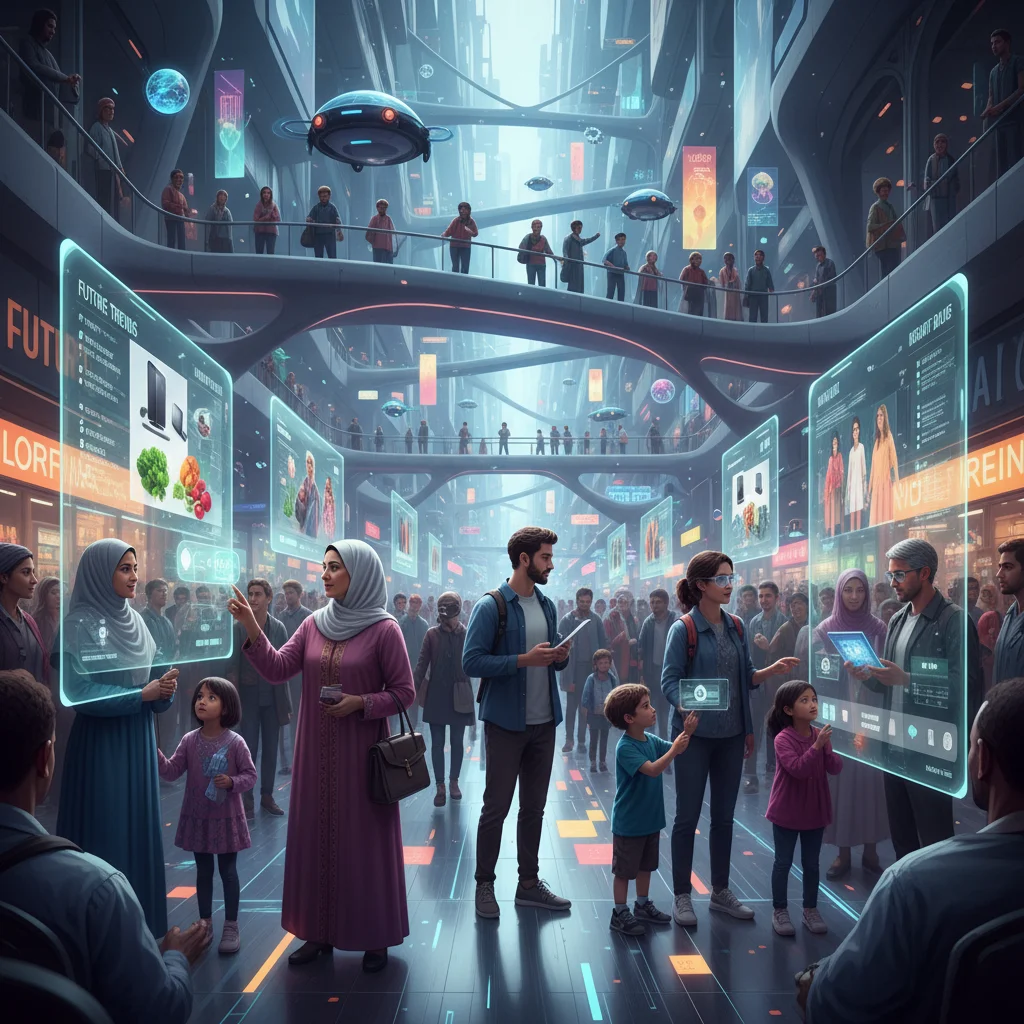
The final, but certainly not least important, consumer behavior shift for Q2 2026 is the complete erosion of the distinction between digital and physical commerce. Consumers no longer think in terms of ‘online shopping’ or ‘in-store shopping’; they expect a fluid, integrated, and seamless experience across all channels. This omnichannel imperative means that businesses must break down internal silos and create a unified customer journey that transcends traditional retail boundaries.
The pandemic accelerated the adoption of digital tools, but rather than replacing physical retail, it has transformed it. Consumers now expect features like ‘buy online, pick up in-store’ (BOPIS), ‘ship from store,’ and augmented reality (AR) try-ons to be standard. They want to browse products online, check in-store availability, read reviews, and then decide whether to purchase digitally or physically, with the expectation that their experience will be consistent and their data will follow them.
This shift requires significant investment in technology and infrastructure. Point-of-sale (POS) systems must integrate seamlessly with e-commerce platforms, inventory management needs to be real-time and centralized, and customer relationship management (CRM) systems must capture interactions from all touchpoints. The goal is to create a single view of the customer, allowing for personalized service regardless of how or where they choose to engage.
Physical stores are evolving from mere transaction points into experiential hubs. They serve as showrooms, pick-up locations, return centers, and spaces for community engagement. Technology within the store, such as interactive displays, smart mirrors, and self-checkout options, enhances the experience and bridges the digital-physical divide. Staff in these stores need to be equipped with digital tools to access customer information and provide informed assistance, blurring their roles with that of online support.
Conversely, digital channels are becoming more immersive and interactive. Live shopping events, virtual showrooms, and personalized video consultations are bringing elements of the physical store experience online. Social commerce, where purchasing happens directly within social media platforms, continues to grow, integrating discovery and transaction into a single, seamless flow. Understanding these nuances is vital for businesses tracking consumer behavior shifts.
For Q2 2026, businesses should prioritize:
- Developing a True Omnichannel Strategy: Ensure consistent branding, pricing, and customer service across all channels.
- Integrating Technology: Implement unified POS, inventory, and CRM systems for a single view of the customer.
- Enhancing In-Store Experiences: Utilize technology to make physical stores experiential and convenient.
- Investing in Digital Innovations: Explore AR, live shopping, and social commerce to enrich online interactions.
- Training Staff: Equip employees with the skills and tools to navigate both digital and physical customer journeys.
Conclusion: Adapting to the New Consumer Reality
The U.S. consumer market in Q2 2026 will be defined by these four significant consumer behavior shifts: the imperative for hyper-personalization, the demand for ethical and sustainable consumption, value-driven decision-making that transcends price, and the complete blurring of digital and physical commerce. These are not isolated trends but interconnected forces that collectively redefine consumer expectations and brand engagement.
For businesses, the message is clear: adaptation is not optional. Proactive engagement with these shifts will be the differentiator between stagnation and sustained growth. This means fostering a culture of continuous learning and innovation within your organization. It requires investing in new technologies, re-evaluating supply chains, refining marketing strategies, and, most importantly, putting the evolving needs and values of the consumer at the very heart of every business decision.
The companies that will thrive in Q2 2026 and beyond are those that view these consumer behavior shifts not as challenges, but as incredible opportunities to build deeper, more meaningful relationships with their customers. By embracing hyper-personalization, committing to ethical practices, delivering holistic value, and creating seamless omnichannel experiences, businesses can not only meet but exceed the expectations of the modern American consumer. Start planning and implementing these strategies today to secure your competitive edge in the dynamic market of tomorrow.