Decoding Your Gut Health: 4 Actionable Steps to Improve Digestion within One Month
In the intricate landscape of human health, few areas hold as much sway over our overall well-being as our gut. Often referred to as our ‘second brain,’ the gut microbiome – a bustling ecosystem of trillions of bacteria, fungi, and other microbes – plays a pivotal role in everything from digestion and nutrient absorption to immune function, mood regulation, and even chronic disease prevention. Yet, in our fast-paced modern lives, characterized by processed foods, chronic stress, and environmental toxins, many of us unknowingly compromise this vital internal balance. The result? A cascade of uncomfortable symptoms: bloating, gas, indigestion, fatigue, skin issues, and a general feeling of malaise. If you’re reading this, chances are you’re looking for a way to turn the tide, to reclaim control over your digestive health, and to feel better, faster. The good news is that significant improvements are not only possible but achievable within a relatively short timeframe. This comprehensive guide will walk you through 4 actionable steps to radically improve gut health and digestion in just one month, setting you on a path to lasting wellness.
Anúncios
Understanding the Gut-Body Connection: Why Your Gut Health Matters So Much
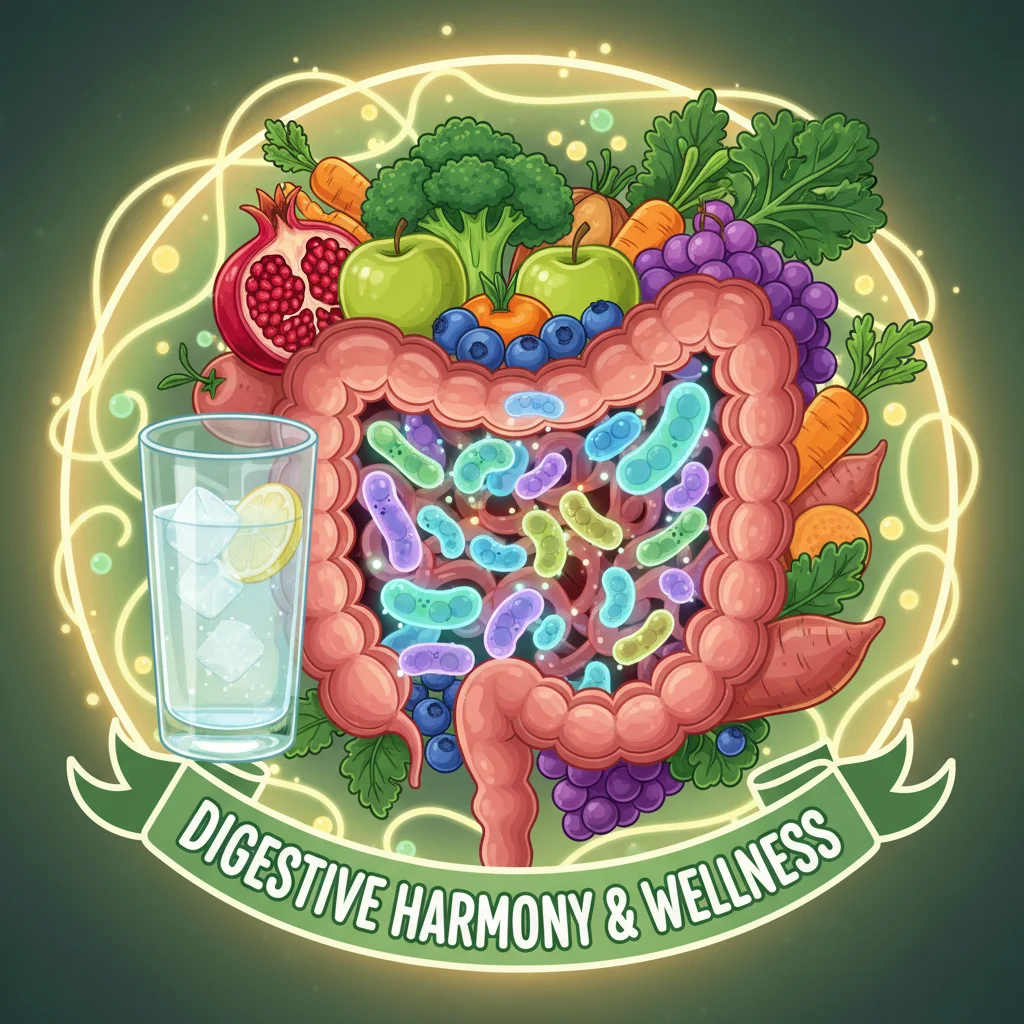
Before diving into the ‘how,’ it’s crucial to grasp the ‘why.’ Your gut is more than just a digestive tube; it’s a command center influencing nearly every physiological process in your body. The gut microbiome acts as a dynamic interface between your internal environment and the outside world. When this delicate balance is disrupted – a state known as dysbiosis – it can trigger a domino effect of health issues. For instance, a compromised gut lining (often called ‘leaky gut’) can allow undigested food particles and toxins to enter the bloodstream, triggering systemic inflammation and autoimmune responses. Furthermore, the gut produces over 90% of the body’s serotonin, a key neurotransmitter for mood regulation, highlighting the profound gut-brain axis connection. Improving your gut health isn’t just about alleviating digestive discomfort; it’s about bolstering your immune system, enhancing mental clarity, boosting energy levels, and fostering a robust foundation for long-term health. The goal is to cultivate a diverse and thriving community of beneficial microbes, which in turn strengthens your gut barrier, optimizes nutrient absorption, and reduces inflammation throughout the body. Our four-step plan is designed to address these critical aspects systematically.
Step 1: Revamp Your Diet – Nourish Your Microbiome (Weeks 1-2 Focus)
The foundation of a healthy gut lies in what you eat. Food is information, and every bite you take either feeds beneficial bacteria or fuels the less desirable ones. To effectively improve gut health, a strategic dietary overhaul is paramount. This isn’t about restrictive dieting but about making informed choices that prioritize gut-friendly nutrients.
Anúncios
A. Embrace Whole, Unprocessed Foods
The cornerstone of a gut-healing diet is a return to whole, unprocessed foods. This means minimizing or eliminating highly processed items, refined sugars, artificial sweeteners, and unhealthy fats. These ingredients are notorious for fueling pathogenic bacteria, contributing to inflammation, and disrupting the delicate balance of your microbiome. Instead, focus on:
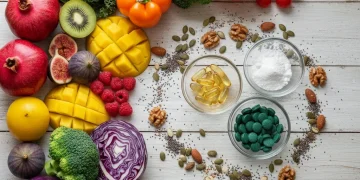
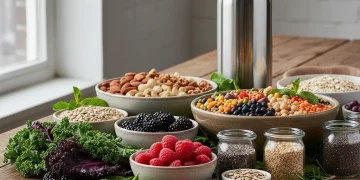
- Abundant Fruits and Vegetables: These are rich in fiber, vitamins, minerals, and antioxidants. Aim for a wide variety of colors to ensure a diverse intake of phytonutrients. Berries, leafy greens, cruciferous vegetables (broccoli, cauliflower, kale), and root vegetables are excellent choices.
- Lean Proteins: Opt for organic, grass-fed meats, wild-caught fish, pastured poultry, and plant-based proteins like lentils, beans, and organic tofu. Proteins are essential for repairing gut lining and overall bodily functions.
- Healthy Fats: Incorporate sources like avocados, extra virgin olive oil, nuts, and seeds (chia, flax, hemp). These provide essential fatty acids that support cell health and reduce inflammation.
- Complex Carbohydrates: Choose whole grains (quinoa, brown rice, oats) in moderation, as some individuals with compromised guts may initially find certain grains irritating. Listen to your body and adjust accordingly.
B. Incorporate Prebiotic-Rich Foods
Prebiotics are non-digestible fibers that act as food for your beneficial gut bacteria, helping them to flourish. Think of them as fertilizer for your microbiome. Integrating prebiotic-rich foods is a powerful way to improve gut health. Excellent sources include:
- Garlic and Onions
- Asparagus
- Bananas (slightly green are best)
- Leeks
- Artichokes
- Dandelion greens
- Chicory root
Start introducing these gradually to avoid excessive gas or bloating, as your gut adjusts to the increased fiber intake.
C. Introduce Probiotic-Rich Fermented Foods
While prebiotics feed your existing good bacteria, probiotics introduce new beneficial strains. Fermented foods are a natural and delicious way to boost your probiotic intake. Aim for a daily serving of:
- Kefir (dairy or non-dairy)
- Sauerkraut (unpasteurized)
- Kimchi
- Tempeh
- Miso
- Kombucha (low sugar varieties)
- Yogurt (dairy or non-dairy with live active cultures)
Ensure you choose products that explicitly state ‘live and active cultures’ and are unpasteurized, as pasteurization kills beneficial bacteria.
D. Hydration is Key
Water is often overlooked but critical for digestive health. It helps to move food through your digestive tract, prevents constipation, and supports the overall health of your gut lining. Aim for at least 8 glasses of filtered water daily. Herbal teas can also contribute to your hydration goals.

Step 2: Strategic Supplementation – Support and Rebalance (Weeks 2-3 Focus)
While diet is foundational, targeted supplementation can provide crucial support, especially when you’re actively trying to improve gut health within a month. Supplements can help to replenish beneficial bacteria, heal the gut lining, and reduce inflammation.
A. High-Quality Probiotic Supplement
Even with fermented foods, a broad-spectrum probiotic supplement can provide a concentrated dose of diverse bacterial strains. Look for a supplement with:
- Multiple Strains: Aim for at least 10-15 different strains, including Lactobacillus and Bifidobacterium species.
- High CFU Count: Start with a dose of 20-50 billion CFUs (colony-forming units) and increase if tolerated.
- Delayed-Release Capsules: These help the bacteria survive stomach acid and reach the intestines where they are needed.
- Third-Party Tested: Ensures purity and potency.
Consult with a healthcare professional to determine the best probiotic for your specific needs, especially if you have underlying health conditions.
B. Digestive Enzymes
If you experience bloating, gas, or indigestion after meals, your body might not be producing enough digestive enzymes. These enzymes break down food into smaller, absorbable nutrients. A broad-spectrum digestive enzyme supplement, taken before meals, can significantly alleviate these symptoms and reduce the burden on your digestive system, allowing it to heal and improve gut health.
C. L-Glutamine
L-Glutamine is an amino acid that plays a vital role in gut lining repair. It’s the primary fuel source for intestinal cells and helps to maintain the integrity of the gut barrier. Supplementing with L-Glutamine (typically 5-10 grams per day) can be highly beneficial for individuals with ‘leaky gut’ or compromised intestinal permeability, accelerating the healing process.
D. Omega-3 Fatty Acids
Omega-3s, particularly EPA and DHA found in fish oil, are powerful anti-inflammatory agents. Chronic inflammation is a hallmark of an unhealthy gut. By reducing systemic inflammation, omega-3 supplements can create a more hospitable environment for beneficial gut bacteria and support overall gut healing. Look for a high-quality, mercury-free fish oil supplement.
Step 3: Lifestyle Adjustments – Beyond Diet (Weeks 3-4 Focus)
Improving gut health isn’t solely about what you put into your body; it’s also about how you live your life. Stress, sleep, and physical activity all exert profound effects on your gut microbiome and digestive function. Integrating these lifestyle changes is crucial for sustainable results and to truly improve gut health.
A. Manage Stress Effectively
The gut-brain axis is a two-way street. Stress can directly impact gut motility, increase intestinal permeability, and alter the composition of your microbiome. Chronic stress is a major disruptor of gut health. Implementing stress-management techniques is non-negotiable:
- Mindfulness and Meditation: Even 10-15 minutes daily can significantly reduce stress hormones.
- Deep Breathing Exercises: Simple yet powerful tools to calm the nervous system.
- Yoga or Tai Chi: Gentle movements combined with breathwork can be incredibly effective.
- Spending Time in Nature: Connecting with the outdoors has proven stress-reducing benefits.
- Adequate Sleep: Prioritize 7-9 hours of quality sleep per night. Poor sleep can negatively impact gut bacteria and increase inflammation. Establish a consistent sleep schedule and create a relaxing bedtime routine.
B. Prioritize Quality Sleep
Just like stress, sleep deprivation can wreak havoc on your gut. Research suggests that insufficient sleep can alter the gut microbiome composition, potentially leading to dysbiosis and increased gut permeability. Aim for 7-9 hours of quality, uninterrupted sleep each night. Establish a consistent sleep schedule, create a relaxing bedtime routine, and optimize your sleep environment (dark, cool, quiet) to support both your brain and your gut.
C. Regular Physical Activity
Moderate exercise has been shown to positively influence gut microbiota diversity and function. It can improve gut motility, reduce inflammation, and even enhance the production of beneficial short-chain fatty acids. Aim for at least 30 minutes of moderate-intensity exercise most days of the week. This could include brisk walking, cycling, swimming, or strength training. Avoid overtraining, as excessive exercise can sometimes be a stressor on the body.
D. Mindful Eating Practices
How you eat is almost as important as what you eat. Rushing through meals, eating on the go, or under stress can impair digestion. Practice mindful eating:
- Eat Slowly: Chew your food thoroughly (aim for 20-30 chews per bite) to aid digestion and nutrient absorption.
- Avoid Distractions: Turn off screens and focus on your meal.
- Listen to Your Body: Eat when hungry and stop when satisfied, not overly full.
These practices activate the parasympathetic ‘rest and digest’ nervous system, optimizing digestive function and helping to improve gut health.

Step 4: Identify and Eliminate Gut Irritants (Ongoing Adjustment)
While the first three steps focus on building up your gut, this final step involves removing potential roadblocks. Identifying and eliminating foods or substances that irritate your gut is critical for sustained improvement. This is often the most personalized aspect of gut healing.
A. Common Food Sensitivities and Allergens
For many individuals, certain foods act as irritants, triggering inflammation and digestive distress. Common culprits include:
- Gluten: Found in wheat, barley, and rye.
- Dairy: Especially lactose and casein.
- Soy: A common allergen.
- Corn: Often genetically modified and found in many processed foods.
- Eggs: Can be problematic for some.
- Nightshades: Tomatoes, peppers, eggplants, and potatoes, which can be inflammatory for sensitive individuals.
Consider an elimination diet for a few weeks to identify potential triggers. Remove suspected foods completely, then reintroduce them one at a time, observing any symptoms. This can be a powerful way to pinpoint what specifically hinders your efforts to improve gut health.
B. Reduce or Eliminate Alcohol and Caffeine
Both alcohol and excessive caffeine can irritate the gut lining, disrupt the microbiome, and interfere with nutrient absorption. During your month-long gut reset, consider significantly reducing or temporarily eliminating these substances. This gives your gut a much-needed break to heal and rebalance.
C. Avoid NSAIDs and Unnecessary Antibiotics
Non-steroidal anti-inflammatory drugs (NSAIDs) like ibuprofen can damage the gut lining with regular use. Similarly, antibiotics, while sometimes necessary, indiscriminately kill both good and bad bacteria, severely impacting the microbiome. Use these only when absolutely essential and always discuss gut-protective strategies with your doctor if they are prescribed.
D. Minimize Environmental Toxins
Our modern environment exposes us to numerous toxins, from pesticides in food to chemicals in household products and plastics. These can contribute to inflammation and dysbiosis. Opt for organic produce when possible, use natural cleaning products, and store food in glass containers to minimize exposure.
Your One-Month Action Plan to Improve Gut Health: A Week-by-Week Guide
Here’s how you can structure your efforts over the next month to maximize your results:
Week 1: Foundations and Elimination
- Diet: Drastically reduce processed foods, sugar, and unhealthy fats. Increase intake of whole fruits, vegetables, and lean proteins.
- Hydration: Aim for 8-10 glasses of filtered water daily.
- Mindful Eating: Start practicing eating slowly and chewing thoroughly.
- Identify Irritants: Begin to observe how different foods make you feel. Consider starting a food journal.
Week 2: Introduce and Replenish
- Diet: Focus on incorporating prebiotic-rich foods (garlic, onions, asparagus) and fermented foods (kefir, sauerkraut).
- Supplementation: Introduce a high-quality probiotic and digestive enzymes with meals.
- Stress Management: Begin a daily mindfulness or meditation practice (even 10 minutes).
- Sleep: Start optimizing your sleep routine.
Week 3: Deep Healing and Lifestyle Integration
- Supplementation: Consider adding L-Glutamine and Omega-3s if not already started.
- Exercise: Incorporate regular, moderate physical activity.
- Refine Diet: If you suspected food sensitivities, this is a good time to start a structured elimination diet (e.g., cut out gluten/dairy for 2 weeks).
- Hydration: Continue consistent water intake.
Week 4: Sustain and Optimize
- Review: Reflect on the changes you’ve made and how your body feels. What improvements have you noticed?
- Reintroduction (if applicable): If you did an elimination diet, begin reintroducing foods slowly, one at a time, and monitor symptoms.
- Consistency: Continue with your healthy eating habits, supplement regimen, and lifestyle practices. This is about building sustainable habits to permanently improve gut health.
- Consult: If you have persistent symptoms or concerns, consider consulting a functional medicine practitioner or a registered dietitian specializing in gut health for personalized guidance.
Expected Outcomes and What to Monitor
Within one month, you can expect to see significant improvements. Many people report:
- Reduced bloating, gas, and indigestion
- More regular and comfortable bowel movements
- Increased energy levels
- Improved mood and mental clarity
- Better skin health
- Stronger immune function
Keep a symptom journal throughout the month to track your progress. Note changes in digestion, energy, sleep, mood, and any other symptoms. This will help you identify what strategies are working best for you and reinforce your commitment to these changes.
Conclusion: Your Journey to Optimal Gut Health Begins Now
Embarking on a journey to improve gut health is one of the most impactful decisions you can make for your overall well-being. It requires commitment and consistency, but the rewards are profound. By systematically revamping your diet, strategically supplementing, integrating supportive lifestyle changes, and identifying irritants, you can transform your digestive health and experience a renewed sense of vitality in just one month. Remember, your gut is a complex ecosystem, and nurturing it is an ongoing process. These four actionable steps provide a powerful framework to kickstart your healing journey and lay the groundwork for a lifetime of optimal health. Start today, listen to your body, and empower yourself with the knowledge to cultivate a thriving inner world. Your gut will thank you.